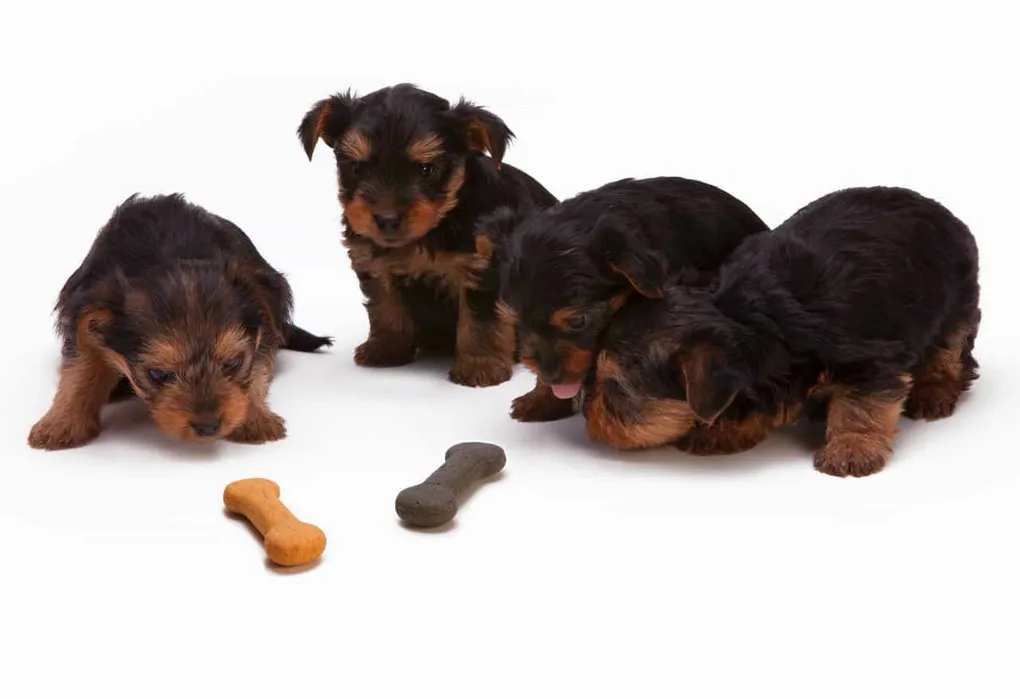
Whether you’re caring for a newborn litter or worried about your 8-week-old puppy skipping breakfast, knowing how long puppies can safely go without food is critical. Puppies have different nutritional needs than adult dogs—and the consequences of missed meals can be serious. This guide breaks down feeding timelines by age, warning signs to watch for, and when to call your vet. (New to puppy parenthood? Check out our new puppy checklist to make sure you have everything ready.)
How Long can a Newborn Puppy Survive Without Food?
As soon as a puppy is born, the mother licks him clean to stimulate breathing and circulation. A newborn puppy is born blind and nearly immobile, but this won’t stop him from finding his first meal.
Eating is crucial for a newborn puppy as his body and organs are developing. Food provides the energy that keeps newborn puppies warm—they cannot regulate their own body temperature in the first weeks of life.
In some emergency cases, the puppy can go for several hours after birth without eating. They survive this scenario as they still retain nutrients from the placenta.
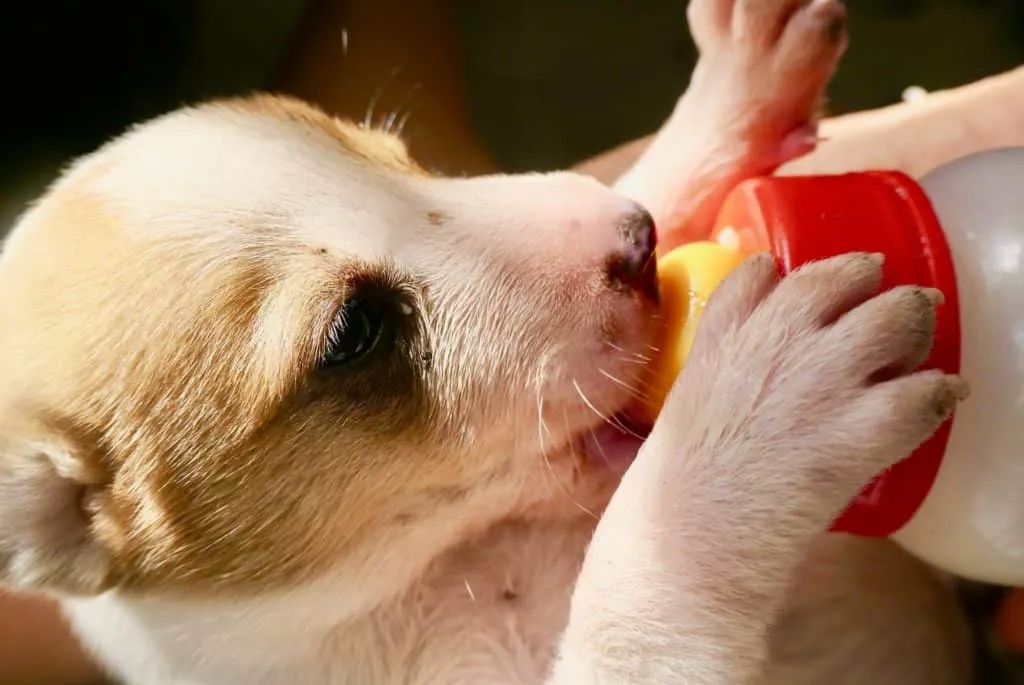
For normal newborn puppies (0-2 weeks), feeding every 2-3 hours is typical. The mother takes short breaks, and puppies need time to digest and sleep between feedings. If the mother cannot nurse, you’ll need a quality puppy milk replacer and should feed every 2-3 hours around the clock.
This feeding frequency continues until about 3 weeks of age, when puppies can go slightly longer between meals.

How Long can a Puppy Survive Without Food?
The time between feedings depends heavily on your puppy’s age. Here’s a quick reference:
| Puppy Age | Time Between Feedings | Meals Per Day |
|---|---|---|
| 0-2 weeks | 2-3 hours | 8-12 |
| 3-4 weeks | 3-4 hours | 6-8 |
| 4-8 weeks | 4-5 hours | 4-5 |
| 8-12 weeks | 4-6 hours | 3-4 |
| 3-6 months | 6-8 hours | 3 |
| 6+ months | 8-12 hours | 2 |
For detailed feeding schedules, see our complete guide on how often to feed your puppy.
Why frequent feeding matters: Young puppies have limited fat reserves and high metabolic rates. Going too long without food can cause dangerous drops in blood sugar (hypoglycemia), especially in toy and small breed puppies.
The Weaning Period (4-8 Weeks)
At 4 weeks, you can start introducing watered-down puppy kibble or wet puppy food mixed with water or formula. At this age, your puppy becomes more mobile and needs extra calories to fuel his increasing activity levels.
Start with softened food and gradually reduce the liquid over 2-3 weeks. Your vet can recommend appropriate food based on your puppy’s size—large breed puppies have different nutritional needs than small breeds. During this period, puppies will nurse less frequently as they transition to solid food.
By 8 weeks, your puppy should be fully weaned and eating solid puppy food 3-4 times per day.
Puppies 8-12 weeks old should eat 3-4 times per day at consistent intervals (for example: 7am, 12pm, 5pm, and 9pm). Regular feeding times help prevent digestive upset and make it easier to establish a potty training schedule. If your puppy develops diarrhea or vomiting after eating, consult your vet.
How Long can a Puppy Survive Without Water?
Water is essential for life and growth. Puppies receive most of their hydration through milk or formula for the first 4 weeks.
After 4 weeks, puppies begin drinking water from a bowl alongside their softened food. Always provide fresh, clean water—dehydration in puppies is dangerous and progresses quickly.
Dehydration Timeline:
- 6-10 hours without water: Early dehydration may begin
- 12-24 hours: Organ stress begins; seek veterinary care
- 24-48 hours: Serious organ damage possible
- 48-72 hours: Life-threatening; permanent damage likely
Warning signs of dehydration:
- Dry, sticky gums
- Loss of skin elasticity (skin doesn’t snap back when gently pinched)
- Sunken eyes
- Lethargy
If your puppy hasn’t drunk water in 12+ hours or shows dehydration signs, contact your veterinarian immediately.
How Long can Puppies go Without Food and Water at Night?
Establishing a consistent feeding schedule helps your puppy’s digestive system develop a predictable rhythm. This also helps with crate training and housebreaking.
Overnight guidelines by age:
- Under 8 weeks: May need one overnight feeding
- 8-12 weeks: Can go 6-8 hours overnight without food
- 12+ weeks: Can sleep through the night (8+ hours) without eating
Feed your puppy’s last meal 2-3 hours before bedtime to allow time for digestion and a final potty break. For house-trained puppies, leaving water available overnight is fine—but if your puppy is still having accidents, limit water 1-2 hours before bed.
How Long can a Sick Puppy go Without Food?
A consistent feeding schedule helps you quickly notice when something is wrong. If your puppy normally gobbles up meals but suddenly loses interest, pay attention.
When to be concerned:
- Skipping one meal is usually not alarming (puppies can be distracted or have minor upset stomachs)
- Missing 2+ consecutive meals warrants close monitoring
- Going 12+ hours without eating or drinking requires veterinary attention
Young puppies (under 12 weeks) have limited fat reserves and cannot bounce back from missed meals as easily as older dogs. A sick puppy can deteriorate rapidly—loss of appetite combined with lethargy, vomiting, or diarrhea could indicate serious illness like parvovirus.
Important: If your puppy hasn’t eaten in 12+ hours AND shows other symptoms (lethargy, vomiting, diarrhea, or fever), contact your vet immediately—don’t wait.
How Long can a Dog go Without Eating?
Adult dogs have more reserves than puppies and can generally go longer without food. A healthy adult dog can survive 3-5 days without eating (with water available), though this is never recommended.
Common reasons adult dogs skip meals:
- Still full from a previous meal or treats
- Stress or environmental changes
- Hot weather reducing appetite
- Transitioning to new food (unfamiliar taste)
- Teething in adolescent dogs (4-6 months)
- Minor digestive upset
If an otherwise healthy, active adult dog skips a meal or two, it’s usually not cause for alarm. However, if your dog refuses food for more than 24 hours or shows other symptoms, consult your veterinarian.
Should I Worry if my Puppy is Not Eating?
Healthy, active puppies may occasionally skip a meal—this alone isn’t cause for panic. Your puppy might be too excited to eat, slightly full from treats, or simply distracted.
Don’t worry if:
- Your puppy skips one meal but acts normally otherwise
- He eats less on a particularly active or hot day
- He’s slow to eat but finishes within 20-30 minutes
Do worry if:
- Your puppy goes 12+ hours without eating
- Loss of appetite is paired with lethargy, vomiting, or diarrhea
- Your puppy seems weak or uncoordinated (possible hypoglycemia)
- A young puppy (under 12 weeks) misses more than one meal
When in doubt, call your vet. Puppies can decline quickly, and it’s always better to catch problems early. Make sure your new pup has had all necessary vaccinations to protect against serious illnesses like parvovirus.
What to Do if Your Puppy Won’t Eat
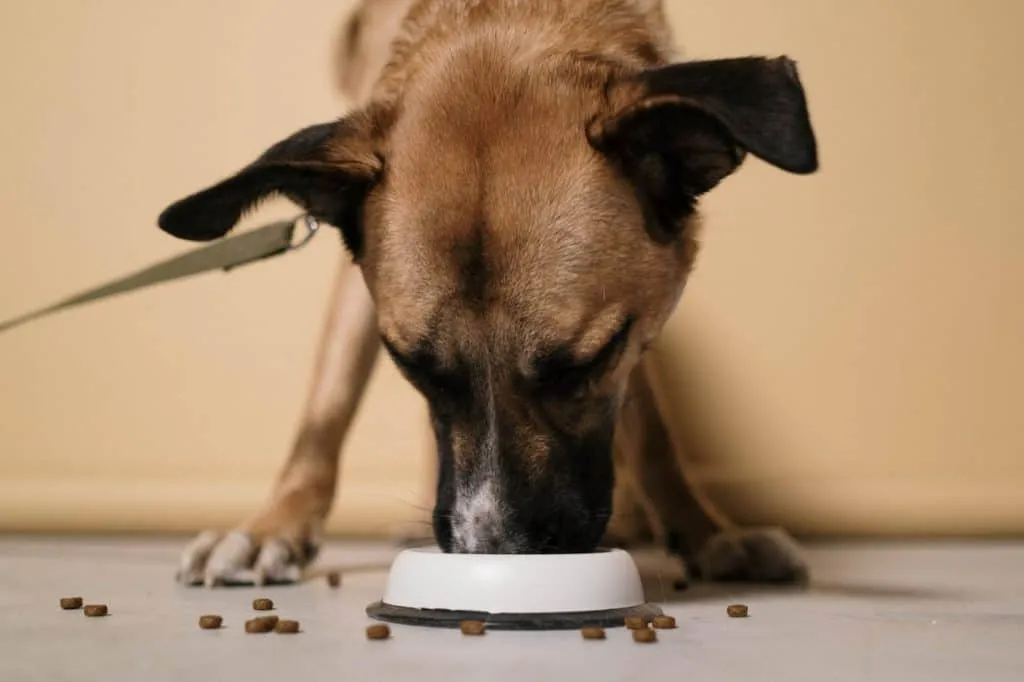
If your puppy is refusing food but isn’t showing emergency symptoms, try these strategies:
Encourage eating:
- Warm the food slightly to release aromas
- Mix in a small amount of low-sodium chicken broth
- Try hand-feeding small amounts
- Offer wet food instead of dry kibble
- Ensure a quiet, stress-free eating environment
- Remove the food after 15-20 minutes and try again later
For very young or small breed puppies at risk of hypoglycemia:
- Rub a small amount of honey or corn syrup on the gums
- Offer small, frequent meals
- Keep the puppy warm
- Contact your vet if the puppy seems weak or disoriented
When home remedies aren’t enough: If your puppy still won’t eat after trying these methods for more than 12 hours (or sooner for very young puppies), contact your veterinarian. Puppies can decline quickly, and early intervention is key.
What are the Signs of Fading Puppy Syndrome?
Fading puppy syndrome refers to the death of apparently healthy puppies within the first few weeks of life. According to VCA Animal Hospitals, it’s most common in the first week but can occur up to 3 weeks of age.
Causes of fading puppy syndrome:
- Hypothermia (inability to regulate body temperature)
- Inadequate colostrum intake in the first 12-24 hours
- Congenital defects
- Infections (bacterial, viral, or parasitic)
- Low birth weight or failure to thrive
Warning signs:
- Low birth weight or failure to gain weight
- Constant crying or whimpering
- Rejection by the mother
- Weakness or inability to nurse
- Diarrhea or vomiting
- Difficulty breathing
- Cold to the touch
Why colostrum matters: Puppies receive about 95% of their immune protection from colostrum (the mother’s first milk). This antibody transfer only works in the first 12-24 hours after birth—after this window, the puppy’s intestines can no longer absorb the antibodies.
If you notice any of these signs, contact your veterinarian immediately. Early intervention can sometimes save the puppy.
Frequently Asked Questions
How long can a 2-month-old puppy go without eating?
A healthy 2-month-old (8-week-old) puppy should eat every 4-6 hours and can go overnight (6-8 hours) without food while sleeping. However, if your puppy refuses food for more than 12 hours while awake, contact your veterinarian as puppies this age have limited reserves.
Is it normal for a puppy to skip a meal?
Yes, it's normal for healthy puppies to occasionally skip a single meal due to excitement, minor stomach upset, or being too full from treats. However, if your puppy skips multiple meals in a row or goes more than 12 hours without eating, this warrants veterinary attention.
How do I know if my puppy is dehydrated?
Signs of dehydration in puppies include dry or sticky gums, loss of skin elasticity (skin doesn't snap back when gently pinched), sunken eyes, lethargy, and decreased urination. If you notice these signs, contact your vet immediately—dehydration can become serious quickly in puppies.
Can puppies go all night without water?
Puppies 8 weeks and older can generally go 6-8 hours overnight without water if they've had adequate hydration during the day. For house-trained puppies, leaving water available overnight is fine. For puppies still having accidents, you can limit water 1-2 hours before bedtime.
What should I feed a puppy that won't eat?
Try warming the food slightly, adding low-sodium chicken broth, offering wet food instead of dry, or hand-feeding small amounts. For puppies at risk of hypoglycemia (very young or small breeds), rub a small amount of honey on their gums. If your puppy still refuses food for more than 12 hours, consult your vet.
Personalized Training
Need Expert Dog Training Help?
Get matched with certified trainers in your area for personalized solutions.