Accidents on your favorite rug. Frustration at 3 a.m. Questions about what you’re doing wrong. If you’re dreading the potty training phase, take a breath—you’re not alone. Most puppy accidents aren’t about your training skills; they’re about puppy biology. Understanding when your puppy’s body is actually ready for house training makes all the difference.
The good news is that with the right timing, consistency, and positive reinforcement techniques, potty training your puppy can be a manageable process. As part of your overall dog training journey, housebreaking establishes the foundation for a lifetime of good habits.
In this comprehensive guide, we cover the ideal age to begin toilet training, what to realistically expect at each stage, and proven methods to make the process smoother.

The Best Age to Start Toilet Training Your Puppy
According to the American Kennel Club, the ideal time to begin formal potty training is when your puppy is 12 to 16 weeks old. At this age, puppies have developed enough bladder and bowel control to learn to hold it until they reach their designated potty spot.
Here’s what happens developmentally:
- 8-10 weeks: Very limited bladder control. Puppies may need to eliminate every 30-60 minutes while awake.
- 12 weeks: Bladder muscles strengthen. Puppies begin understanding the connection between location and elimination.
- 16 weeks: Most puppies can hold it for 3-4 hours and start recognizing the need to “go” before accidents happen.
If you adopt a puppy younger than 12 weeks, you can begin introducing the concept of a designated potty area, but don’t expect consistent results until their bladder matures.

Understanding Your Puppy’s Bladder Control
One of the most helpful guidelines for potty training is the “one hour per month of age” rule. This means:
| Puppy Age | Maximum Hold Time |
|---|---|
| 2 months | 2-3 hours* |
| 3 months | 3-4 hours* |
| 4 months | 4-5 hours* |
| 5 months | 5-6 hours* |
| 6+ months | 6-8 hours (adult capacity) |
*These are maximum hold times during rest. Awake, active puppies need breaks every 1-2 hours.
Keep in mind that these are maximum hold times. Your puppy will need more frequent breaks after:
- Eating or drinking
- Waking from sleep
- Playing or getting excited
- Experiencing stress or new situations
Puppies typically gain full voluntary bladder control between 4 and 6 months of age. Until then, accidents are a normal part of the learning process.
Small Breeds Need More Frequent Breaks
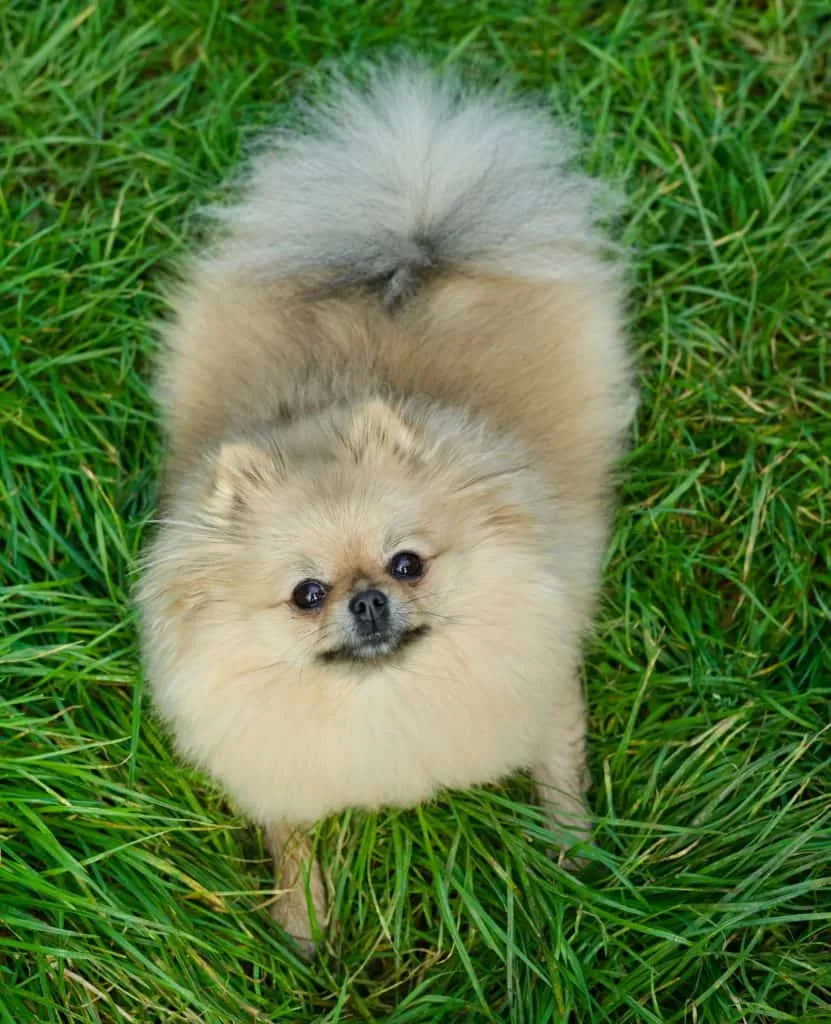
If you have a toy or small breed puppy, expect to take them out even more frequently. Smaller dogs have smaller bladders and faster metabolisms, which means they process water and food more quickly than larger breeds.
How Long Does Potty Training Actually Take?
Let’s set realistic expectations: fully potty training a puppy takes 4 to 6 months on average. Some puppies may take up to a year, particularly if they:
- Were not properly introduced to house training by their breeder
- Spent time in a shelter or puppy mill environment
- Are a smaller breed with a tiny bladder
- Have underlying health issues
Can You Potty Train a Puppy in One Week?
You may see claims about “potty training in 7 days,” but professional dog trainers and veterinarians advise caution with these promises. While you can establish a routine and see initial progress within a week, true reliability takes months of consistent practice as your puppy’s body and brain mature.
According to the American Kennel Club, “If training begins early, a 6-month-old puppy is usually able to be depended on most of the time to eliminate outside.”
If you’re struggling with potty training basics or want personalized guidance, consider working with a certified professional dog trainer who can assess your specific situation and provide tailored advice.
Factors That Affect Potty Training Success
Several variables influence how quickly your puppy learns proper bathroom habits.
Your Consistency and Approach
The most important factor is you. Successful potty training requires:
- Consistent schedule: Taking your puppy out at the same times each day
- Supervision: Watching for pre-potty signals like sniffing, circling, or whining
- Immediate rewards: Praising and treating within seconds of successful elimination outside
- Patience: Understanding that setbacks are normal, not failures
Your Puppy’s Individual Factors
Every puppy is unique. Training progress depends on:
- Age and developmental stage: Younger puppies simply cannot hold it as long
- Breed characteristics: Some breeds are known for being easier or harder to house train
- Previous experiences: Puppies from responsible breeders often have a head start
- Health status: Urinary tract infections or digestive issues can cause accidents
Training Methods and Tools
The right tools can accelerate your progress. Many pet parents find success with:
- Crate training: Uses your puppy’s natural instinct not to soil their sleeping area. See our crate selection guide for sizing tips.
- Bell training: Teaches your puppy to signal when they need to go outside
- Potty training without a crate: Alternative methods using confinement areas and puppy pads
- Apartment training: If you live in an apartment or high-rise, consider a hybrid approach using indoor potty pads near the door while also training for outdoor elimination. The extra travel time to reach grass can make outdoor-only training challenging for young puppies with limited bladder control.
- Enzymatic cleaners: Remove odor traces that attract repeat accidents (see our recommended product below)

Hartz Home Protection Lavender Scented Dog Pads, 50 count, Super Absorbent & Won't Leak, Odor Eliminating

Nature’s Miracle Advanced Stain and Odor Eliminator Dog, 32 Ounces, Fresh Scent, Severe Mess Enzymatic Formula For Tough Pet Messes

MidWest Homes for Pets Dog Crate Cover, Privacy Dog Crate Cover Fits Midwest Dog Crates, Crate Cover Only, Machine Wash & Dry, Black, 48-Inch

Pet N Pet 1080 Counts Poop Bags for Dogs, 38% Plant Based & 62% PE Extra Thick, Green Dog Poop Bags Rolls, 9" x 13", Unscented Pet Waste Bag
View View on Amazon
Essential Potty Training Tips for Success
Follow these veterinary-recommended guidelines to make house training as smooth as possible.
Establish a Consistent Schedule
Take your puppy outside:
- First thing in the morning
- After every meal (within 15-30 minutes of eating—see our guide on how often to feed your puppy)
- After naps
- After play sessions
- Before bedtime
- Every 2-3 hours during the day (adjust based on age)
Consistency helps your puppy’s body develop a predictable rhythm for elimination.
Nighttime Potty Training
Nighttime dryness develops separately from daytime control. Most puppies cannot sleep through the night without a potty break until they are 4-6 months old.
Nighttime tips:
- Limit water intake 2-3 hours before bedtime
- Take your puppy out immediately before bed
- Set an alarm for one mid-night break until your puppy is 4+ months old
- Keep nighttime breaks boring—no play, minimal talking, dim lights
- Use a crate sized so your puppy can stand and turn but not eliminate in one corner and sleep in another
If your puppy is over 6 months and still having nighttime accidents, consult your veterinarian to rule out medical issues.
Learn Your Puppy’s Warning Signs
Watch for these signals that your puppy needs to go:
- Sniffing the ground intensely
- Circling or pacing
- Whining or barking at the door
- Squatting suddenly
- Heading toward a previous accident spot
When you see these signs, immediately take your puppy outside to their designated potty area.
Use Positive Reinforcement Only
Never punish your puppy for accidents. According to the American Veterinary Society of Animal Behavior, punishment-based training:
- Increases anxiety, which can worsen accidents
- Damages your bond and trust with your puppy
- Teaches puppies to eliminate in hidden spots rather than outside
- Creates fear around you rather than understanding of where to go
Instead, reward your puppy immediately when they eliminate in the correct spot. Use high-value treats, enthusiastic praise, or a favorite toy. This positive association makes them want to repeat the behavior.
Handle Accidents the Right Way
When accidents happen (and they will):
- Don’t react if you don’t catch them in the act
- Interrupt gently if you catch them mid-accident and immediately take them outside
- Clean thoroughly with an enzymatic cleaner to remove odor traces
- Never rub their nose in it - this outdated method only creates fear. Learn more about gentle puppy discipline.
Dogs naturally return to spots that smell like their previous eliminations. Proper cleaning prevents repeat accidents in the same location.
Expect and Prepare for Setbacks
Even puppies who seem fully trained may have regressions. Common triggers include:
- Moving to a new home
- Changes in schedule or routine
- Stress or anxiety
- Illness or dietary changes
- Adolescence (around 6-12 months)
If your previously trained puppy suddenly starts having frequent accidents, schedule a veterinary checkup to rule out medical issues like urinary tract infections.
When to Seek Professional Help
Consider consulting a professional if:
- Your puppy shows no improvement after several weeks of consistent training
- A previously house-trained dog starts having accidents
- Your puppy seems to have pain or difficulty during elimination
- Accidents happen immediately after being outside
- You’re feeling overwhelmed or frustrated
A veterinarian can rule out medical causes, and a professional dog trainer can help identify training gaps and create a customized plan for your situation.
The Rewards of Patient, Positive Training
Potty training requires commitment, but the effort pays off for years to come. A properly house-trained dog:
- Has a foundation of trust and communication with you
- Is welcome in more places and situations
- Experiences less stress around bathroom needs
- Is better prepared for other training challenges
Remember that every puppy develops at their own pace. With patience, consistency, and positive methods, you and your furry friend will successfully navigate this important milestone together.
Frequently Asked Questions
At what age should a puppy be fully potty trained?
Most puppies are reliably potty trained between 4 and 6 months of age, though some may take up to a year. Full bladder control typically develops around 6 months old. Factors like breed size, consistency of training, and previous living conditions all affect the timeline.
Is 12 weeks too late to start potty training?
No, 12 weeks is actually the ideal time to start formal potty training. At this age, puppies have developed enough bladder and bowel control to begin learning. Veterinary experts recommend beginning between 12 and 16 weeks for the best results.
How often should I take my 8-week-old puppy outside to potty?
An 8-week-old puppy should be taken outside every 1-2 hours while awake, plus immediately after eating, drinking, playing, or waking from naps. At night, expect at least one or two potty breaks. Young puppies have very limited bladder control.
Why is my 6-month-old puppy still having accidents?
Some puppies take longer to fully house train, which is normal. However, if accidents are frequent, consult your veterinarian to rule out urinary tract infections or other medical issues. Also evaluate your training consistency - are you taking them out frequently enough and rewarding successes immediately?
Should I punish my puppy for potty accidents?
No, never punish your puppy for accidents. Veterinary behaviorists confirm that punishment increases anxiety, damages your bond, and can actually make accidents more likely. Instead, use positive reinforcement - reward your puppy immediately when they eliminate in the correct spot.
Personalized Training
Need Expert Dog Training Help?
Get matched with certified trainers in your area for personalized solutions.