
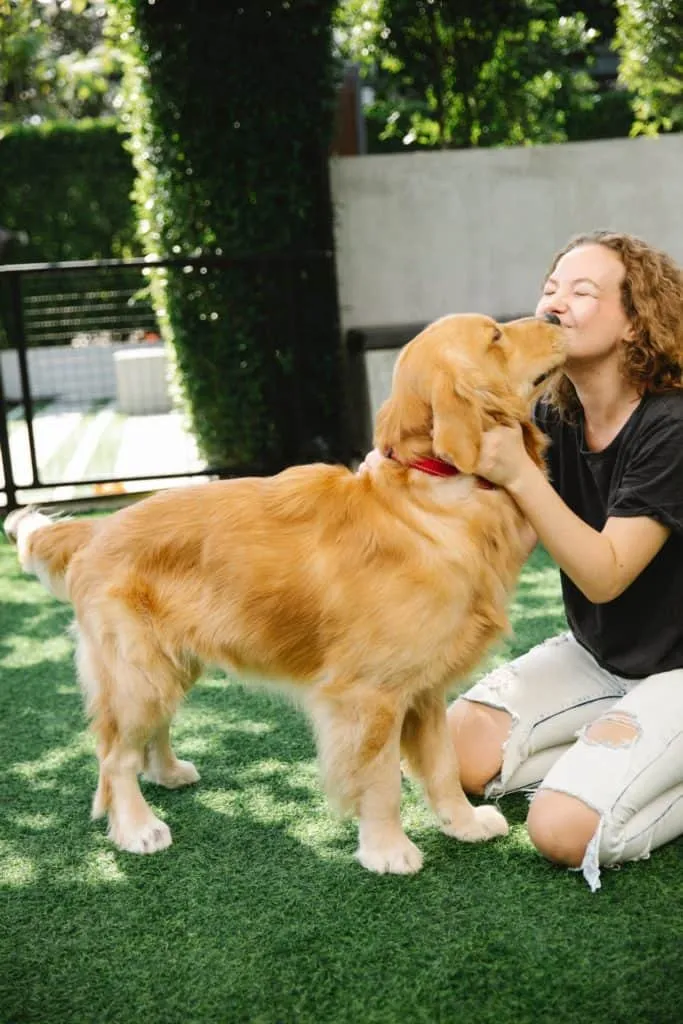
Your dog greets you with enthusiastic licks after a long day. While those slobbery kisses might seem like simple affection, the science behind dog behavior reveals that licking serves multiple purposes in canine communication.
Dogs cannot speak, so they rely on body language and behaviors like licking to express themselves. Understanding why your dog licks you helps strengthen your bond and ensures you recognize when normal licking crosses into territory that might need attention.
In this guide, we explore six research-backed explanations for why dogs lick their owners and provide practical advice for managing this common canine behavior.
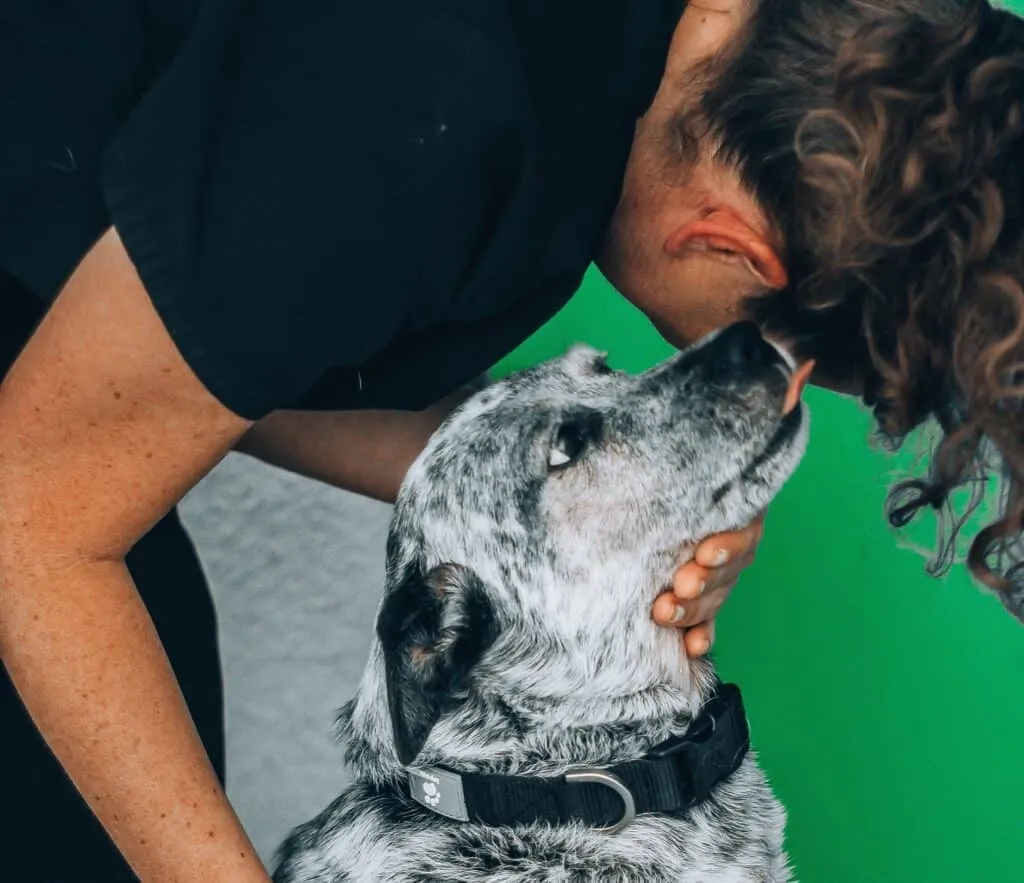
Licking is a Learned Behavior from Puppyhood
One of the primary reasons dogs lick stems from their earliest experiences as puppies. Mother dogs lick their newborns immediately after birth to clean them, stimulate breathing, and encourage blood flow. For the first few weeks of life, puppies cannot urinate or defecate on their own. The mother licks their genital area to trigger these essential functions.
This maternal licking creates positive associations that persist throughout a dog’s life. Puppies learn that licking equals comfort, care, and connection. When your adult dog licks you, they may be drawing on these deeply ingrained early experiences.
Some dogs lick more than others, and this variation is completely normal. A dog that licks less frequently is not necessarily less affectionate. They may simply have had different early experiences or express their attachment through other behaviors like staring at you with soft eyes or staying close to your side.
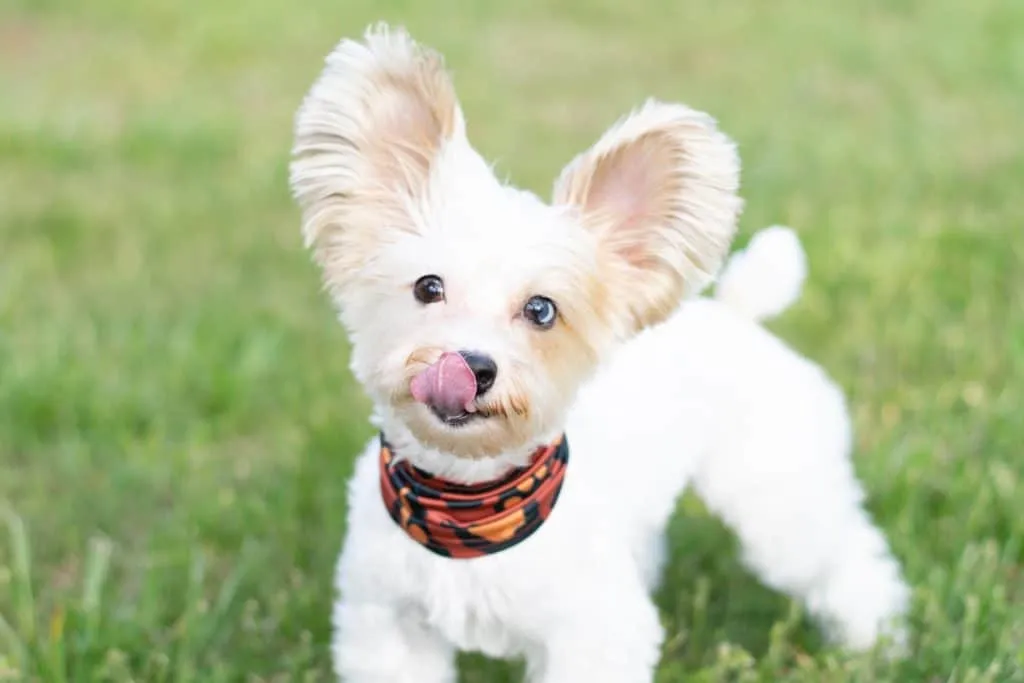
6 Science-Backed Reasons Why Dogs Lick You
Research into canine behavior has identified several distinct motivations behind dog licking. Here are the most common reasons your dog might be showering you with those wet kisses.
1. Showing Affection and Building Bonds
The most heartwarming explanation for dog licking is simple affection. Dr. Emily Blackwell, lecturer in companion animal behavior and welfare at the University of Bristol, explains that licking is “essentially a social behaviour that comes from their evolutionary history.”
When your dog licks you, their brain releases oxytocin, the same bonding hormone that strengthens connections between human parents and children. Your brain releases oxytocin too, which explains why many dog owners find these moments genuinely enjoyable despite the slobber.
This mutual hormone release creates a feedback loop that deepens your relationship. Those licks are your dog’s way of saying “I care about you” in a language they have used since their days as wolves greeting pack members.
2. Seeking Attention
Dogs are remarkably skilled at learning which behaviors get results. If your dog licks your face and you laugh, talk to them, or pet them in response, they quickly connect licking with getting your attention.
This attention-seeking behavior is a form of positive reinforcement in action, just working in the opposite direction. Your reaction, whether a squeal of delight or even pushing them away, registers as engagement. Even negative attention is still attention from your dog’s perspective.
Puppies particularly excel at using licks for attention. Their early experiences of licking their mother’s face to solicit regurgitated food translate into licking human faces to request interaction, food, or playtime.
3. Taste and Sensory Exploration
Here is a less romantic but scientifically supported reason: humans taste interesting to dogs. Our skin carries salt, especially after exercise, along with traces of whatever we have eaten recently.
Certified applied animal behaviorist Dr. Mary Burch points out that the saltiness of human sweat naturally attracts dogs. If your dog licks you more after your workout or when you have food residue around your mouth, taste is likely a primary motivator.
Dogs also gather significant information through taste. Their tongues contain sensory receptors that help them learn about their environment, making licking a form of exploration alongside sniffing.
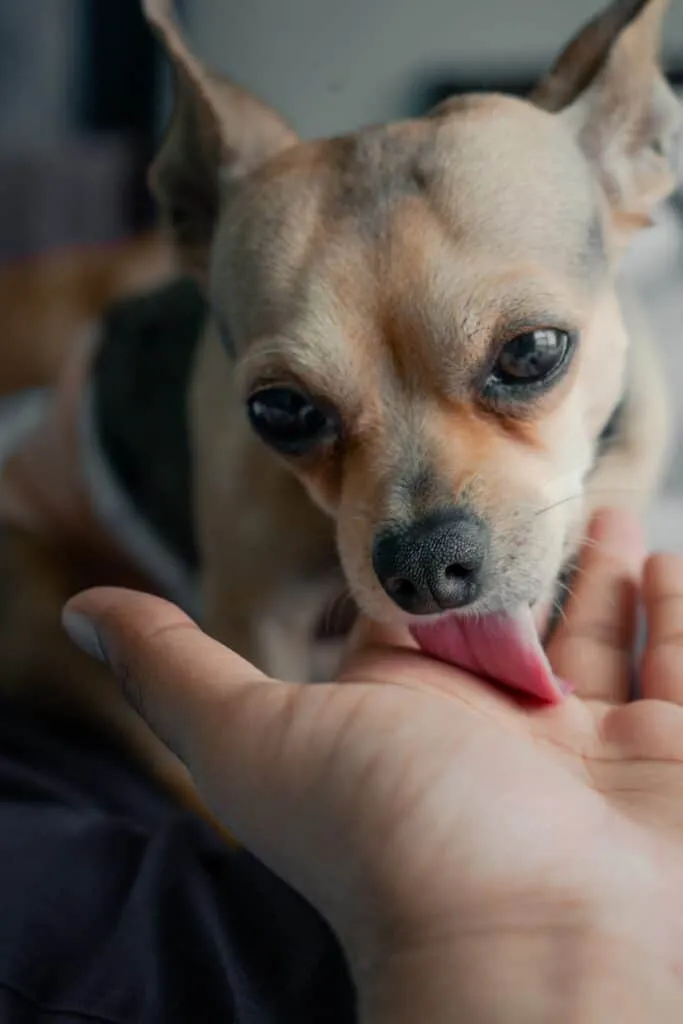
4. Communication and Emotional Response
A fascinating 2017 study published in Behavioural Processes found that dogs use mouth-licking specifically in response to angry human facial expressions. This suggests licking serves as an appeasement gesture, a way for dogs to diffuse tension and communicate non-threatening intentions.
Ellen Furlong, an associate professor of psychology and neuroscience at Transylvania University who studies dog behavior, summarizes it well: “If we want to distill it down to one thing, it’s communication.” Dogs are highly attuned to human emotions, and licking may be their way of responding to what they perceive you are feeling.
Research published in Animal Cognition also showed that some dogs lick humans when trying to comfort them, behavior consistent with empathy. Your dog may lick you more when you are upset as their attempt to make you feel better.
5. Self-Soothing and Anxiety Relief
Licking releases endorphins in dogs, neurotransmitters that create feelings of calm and pleasure. This is followed by dopamine release, another feel-good chemical. The repetitive motion of licking activates the parasympathetic nervous system and lowers stress hormones like cortisol.
For anxious dogs, licking can become a coping mechanism. Just as some people bite their nails when stressed, dogs may lick when they feel uneasy, scared, or overwhelmed. This self-soothing behavior traces back to the comfort they experienced being licked by their mother as puppies.
If your dog licks excessively during thunderstorms, when left alone, or in unfamiliar situations, anxiety may be the underlying cause. Understanding why dogs develop behavior problems can help you address the root issue rather than just the symptom.
6. Medical Alert Behavior
While not applicable to most dogs, some are specifically trained to lick their owners in response to medical conditions. Diabetic alert dogs, for example, can detect changes in blood sugar through scent and are trained to lick, paw, or otherwise alert their owners when intervention is needed.
These specialized service dogs can sense chemical changes in breath or sweat that indicate low or high blood sugar, sometimes detecting problems 30 minutes before medical monitoring devices. Their alerting behaviors, including licking, can be genuinely life-saving.
Even untrained dogs sometimes notice when something is medically different about their owner, though this instinctive behavior should never replace proper medical monitoring and care.
When Licking Becomes Excessive
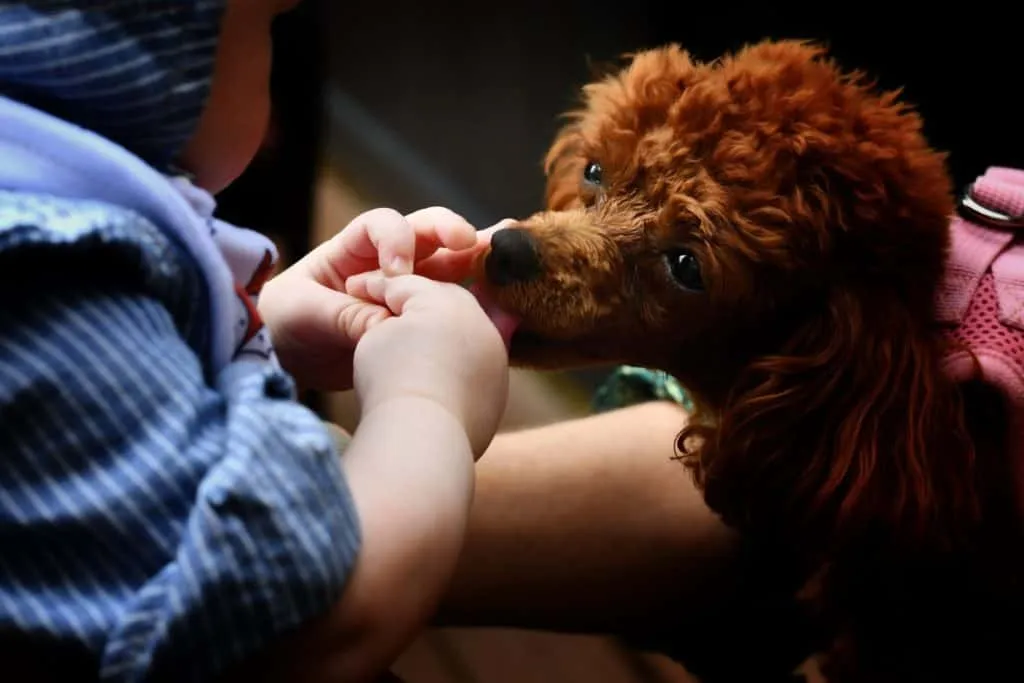
Normal, healthy licking is intermittent and situational. Excessive licking, where your dog seems unable to stop or licks compulsively, warrants closer attention.
Signs that licking has become problematic include:
- Licking that continues even when you redirect or move away
- Raw, irritated skin on your dog from self-licking
- Licking that interferes with normal activities like eating or sleeping
- Sudden increases in licking behavior without apparent cause
Excessive licking may indicate:
- Underlying anxiety or stress that needs behavioral intervention
- Boredom from insufficient mental and physical stimulation
- Medical issues including allergies, pain, or gastrointestinal problems
- Compulsive disorder that has developed from self-reinforcing behavior
If your dog’s licking seems excessive, schedule a veterinary visit to rule out medical causes. Once health issues are excluded, working with a certified professional dog trainer or veterinary behaviorist can help address behavioral roots.
How to Manage Unwanted Licking
If you find your dog’s licking bothersome or want to reduce the behavior, these approaches work effectively without damaging your relationship.
Redirect Rather Than Punish
When your dog starts licking, calmly redirect them to an alternative behavior. Ask for a sit, offer a toy, or guide them to their bed. Immediately reward the alternative behavior with praise or a treat.
This approach teaches your dog what you want them to do rather than just what you want them to stop. It aligns with positive reinforcement training principles that build trust while modifying behavior.
Remove the Reward
If your dog licks for attention, removing that reward can decrease the behavior. When licking starts, turn away without speaking, making eye contact, or touching your dog. Wait for them to stop, then reward the quiet behavior.
Consistency is critical here. If you sometimes respond to licking and sometimes ignore it, the intermittent reinforcement actually makes the behavior more persistent. Everyone in your household needs to follow the same approach.
Address Underlying Needs
Sometimes excessive licking signals unmet needs:
- Exercise: Ensure your dog gets adequate physical activity for their breed and age
- Mental stimulation: Provide puzzle toys, training sessions, and enrichment activities
- Anxiety management: If your dog seems anxious, address the underlying stress with appropriate interventions or calming supports
- Social needs: Dogs left alone for long periods may develop attention-seeking behaviors including excessive licking
Teach an Incompatible Behavior
Train your dog to perform a behavior that is physically incompatible with licking. Holding a toy, lying down on command, or going to a designated spot all prevent licking while giving your dog something positive to do.
Is Dog Saliva Safe?
The old saying that a dog’s mouth is cleaner than a human’s is a myth. Dog saliva contains over 600 species of bacteria, many of which are different from those in human mouths.
For most healthy people, dog licks pose minimal risk. The bacteria in dog saliva rarely cause problems when they contact intact skin. However, certain situations warrant caution:
Higher risk scenarios include:
- Allowing dogs to lick open wounds, cuts, or scrapes
- Immunocompromised individuals (including those with diabetes, HIV, or undergoing chemotherapy)
- People without a spleen (asplenic individuals)
- Letting dogs lick inside your mouth or nose
The bacterium Capnocytophaga canimorsus, found in up to 74% of dog mouths, can cause serious infections in vulnerable individuals. While infections remain rare (approximately 0.5 to 0.7 cases per million people annually), they can be severe when they occur.
Practical guidelines:
- Wash your hands after extended contact with dog saliva
- Keep dogs from licking your face if you have compromised immunity
- Never let a dog lick an open wound
- Teach children appropriate boundaries with dog licking
- If you notice any signs of infection after a dog lick, consult a healthcare provider
For the average healthy person, occasional dog licks on intact skin are unlikely to cause problems. Simply wash the area afterward and enjoy the affection your dog is showing.
Final Thoughts
Dog licking is a complex behavior rooted in evolutionary history, early development, and the unique bond between dogs and humans. Whether your dog licks to show affection, seek attention, or soothe their own anxiety, understanding the motivation helps you respond appropriately.
Most licking is normal and harmless. It represents your dog’s way of communicating in a language that predates their domestication. By recognizing what your dog is trying to tell you, you strengthen the understanding between you.
If licking becomes excessive or problematic, remember that positive, reward-based approaches work best. Never punish your dog for licking. Instead, redirect them, address underlying needs, and consult a professional if the behavior persists. Many certified dog trainers specialize in behavior modification and can provide personalized guidance.
The next time your dog greets you with enthusiastic licks, you will know exactly what they are communicating. Whether you embrace those slobbery kisses or gently redirect to a different greeting, understanding your dog’s behavior is the foundation of a strong, trusting relationship.
Frequently Asked Questions
Why does my dog lick me so much?
Dogs lick for multiple reasons including showing affection, seeking attention, enjoying the taste of your skin, self-soothing when anxious, or communicating their needs. Excessive licking beyond normal greeting and bonding behavior may indicate anxiety, boredom, or an underlying medical issue. If your dog's licking seems compulsive or interferes with daily activities, consult your veterinarian to rule out health problems, then consider working with a certified dog trainer or behaviorist.
Is it safe to let my dog lick my face?
For most healthy adults, occasional dog licks on intact facial skin pose minimal risk. However, you should avoid letting dogs lick your mouth, nose, or eyes where bacteria can enter more easily. People with compromised immune systems, open wounds or skin conditions, or those taking immunosuppressant medications should avoid dog licks on the face. Dog saliva contains bacteria including Capnocytophaga that can cause serious infections in vulnerable individuals.
Why does my dog lick me when I come home?
This greeting behavior has evolutionary roots. Wolf pups lick their mother's face when she returns to the den, both as a greeting and to request food. Domestic dogs retain this instinct, using licking as an excited welcome that says 'I missed you' and seeks attention and interaction. The behavior also releases feel-good hormones in both you and your dog, reinforcing the bond you share.
How do I stop my dog from licking me?
The most effective approach is redirecting rather than punishing. When your dog starts licking, calmly turn away without speaking or making eye contact. Once they stop, reward the calm behavior. You can also teach an alternative greeting like sitting or fetching a toy. Consistency is key—everyone in your household must respond the same way. If licking persists or seems excessive, ensure your dog gets enough exercise and mental stimulation, and consider consulting a professional trainer.
Does my dog licking me mean they love me?
Affection is one common reason dogs lick their owners. When dogs lick, both their brain and yours release oxytocin, the bonding hormone. However, licking can also mean your dog wants attention, finds you tasty (especially if you are sweating or have food residue), feels anxious and is self-soothing, or is trying to communicate something. Context matters—a relaxed dog with soft eyes licking gently is likely showing affection, while frantic licking may indicate anxiety or excitement.
Why does my dog lick me when I'm upset?
Research suggests dogs can read human emotions and may lick as a form of comfort or empathy. A study in Animal Cognition found that dogs lick humans when trying to comfort them, behavior consistent with concern for their owner's wellbeing. Dogs may also sense the chemical changes in your skin when you are stressed or upset. This comforting behavior likely stems from the nurturing licks puppies received from their mothers when distressed.
Personalized Training
Need Expert Dog Training Help?
Get matched with certified trainers in your area for personalized solutions.