If your dog destroys nylon leashes within days or your strong puller needs something more durable, a chain leash might be the solution. While metal leashes fell out of favor for a time, they have made a comeback among owners of powerful breeds and determined chewers who need truly indestructible walking gear.
Chain leashes are not ideal for every dog, but for the right situation, they offer unmatched durability and peace of mind. In this guide, we break down who should (and should not) use a chain leash, important safety considerations backed by veterinary research, and our top picks from our complete dog products guide.

Pettom Heavy Duty Chain Leash
View View on Amazon
JuWow Metal Dog Leash, Heavy Duty Chew Proof Pet Leash Chain with Padded Handle for Large & Medium Size Dogs (3.0mm x 4 Foot, Black)
View View on Amazon
CtopoGo Heavy Duty Metal Dog Leash With Padded Handle for Large & Medium Size Dogs (4 ft. x 3.0 mm (0-80 lbs.))

Mogoko 4ft Metal Dog Leash, Heavy Duty Chew Proof Pet Leash Chain with Padded Handle for Outdoor Training Black
View View on Amazon
PRADOG Chain Dog Leash Metal Chew Proof 12MM Pet Leash Chain with Leather Padded Handle for Large Medium Small Dogs(Total Length of 3ft)
Why Leash Choice Matters for Your Dog
The leash you choose directly impacts both safety and training success. A leash that breaks during a walk puts your dog at risk of running into traffic or approaching unfriendly animals. Conversely, a leash that is too heavy or uncomfortable can make walks stressful for your dog.
Dogs learn to associate their walking gear with either positive or negative experiences. If your dog constantly chews through leashes, both of you experience frustration. If the leash causes discomfort, your dog may resist walks entirely.
The right leash for your dog depends on several factors:
- Size and strength: Large, powerful breeds need sturdier equipment
- Chewing habits: Determined chewers destroy standard nylon leashes
- Training stage: Leash training puppies have different needs than adult dogs
- Activity level: High-energy dogs put more stress on equipment
What is a Dog Chain Leash?
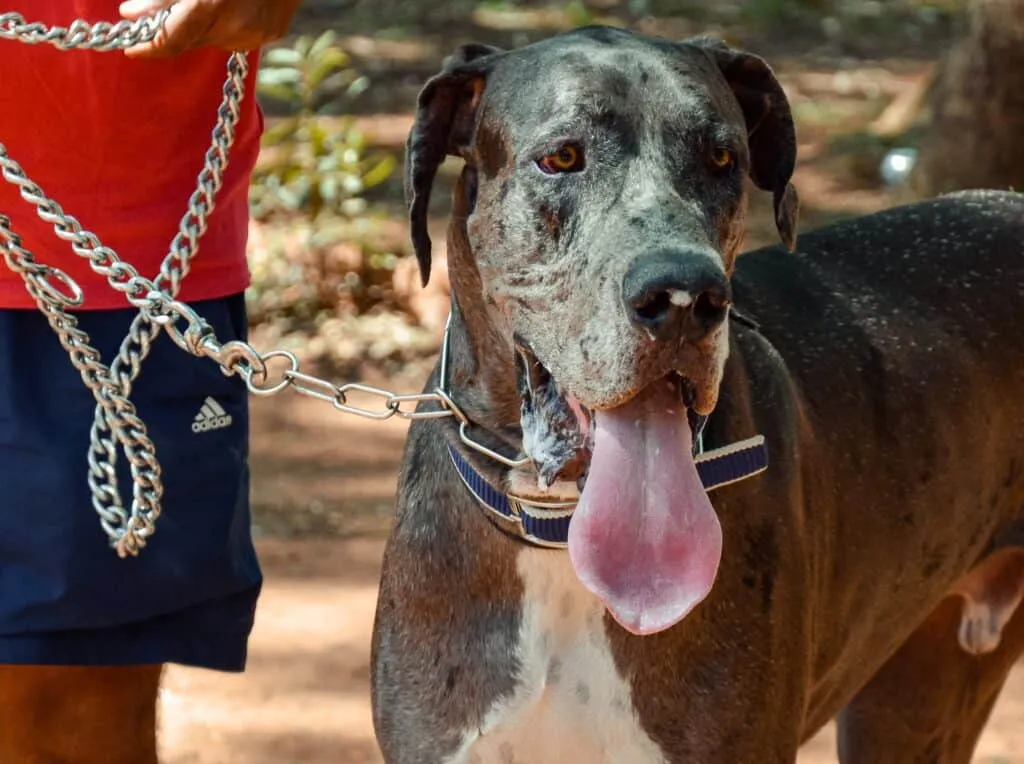
A chain leash consists of interlocking metal links, typically made from stainless steel, chrome-plated steel, or alloy metals. One end features a handle (often padded with leather or nylon for comfort), while the other end has a clip or swivel hook that attaches to your dog’s collar or harness.
Chain leashes function identically to standard nylon or leather leashes. The key difference is the material, which makes them virtually impossible for dogs to chew through and highly resistant to wear from pulling.
Modern chain leashes have evolved significantly. Quality options now include:
- Padded handles to prevent hand discomfort
- Swivel hooks that prevent tangling
- Various chain thicknesses for different dog sizes
- Chrome or stainless steel construction for rust resistance
Who Should Use a Chain Leash?
Chain leashes serve specific purposes and work best for particular situations:
Ideal Candidates for Chain Leashes
Strong chewers who destroy standard leashes: If your dog has chewed through multiple nylon or leather leashes, a chain leash eliminates this costly and potentially dangerous habit. Metal links are truly chew-proof.
Large, powerful breeds: Dogs like German Shepherds, Rottweilers, Mastiffs, and Pit Bulls generate significant pulling force. Chain leashes handle this stress without fraying or snapping.
Dogs learning not to mouth their leash: Some dogs habitually grab and tug their leash during walks. The unpleasant feel of metal in their mouth naturally discourages this behavior.
Backup leashes for training strong dogs: Professional trainers often keep chain leashes on hand when working with powerful dogs during obedience training.
Who Should Avoid Chain Leashes
Small dogs and toy breeds: The weight of a chain leash can strain small dogs. Breeds under 20 pounds typically do better with lightweight nylon or biothane leashes.
Puppies under 6 months: Young puppies need lightweight, comfortable equipment while learning basic leash skills.
Dogs with neck or trachea issues: If your dog has respiratory problems or previous neck injuries, consult your veterinarian before using any collar-based leash system.
Timid or anxious dogs: The jingling sound and weight of chains can startle sensitive dogs.
Pros and Cons of Dog Chain Leashes
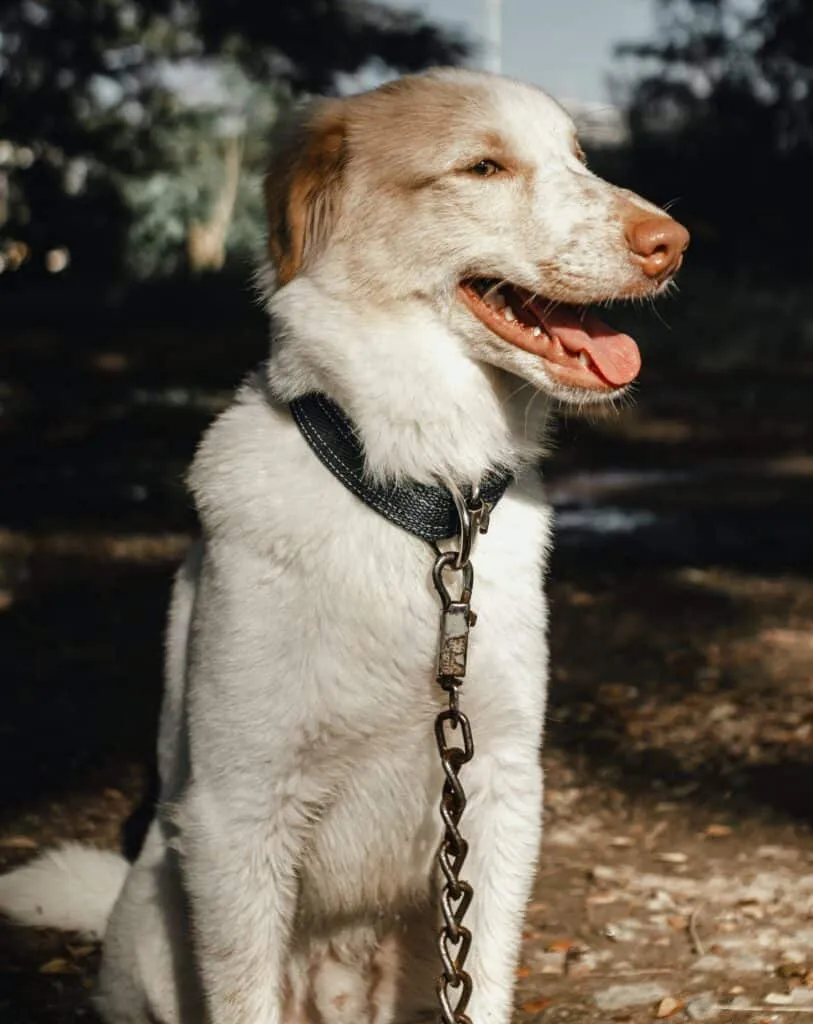
Understanding both the benefits and drawbacks helps you make an informed decision.
Advantages of Chain Leashes
Unmatched durability: Metal chains are the only leash material that is truly chew-proof. Dogs cannot bite through stainless steel links, making these leashes last for years.
Discourages leash biting: Dogs quickly learn that metal does not feel good in their mouth. This naturally eliminates leash-grabbing behavior without additional training.
Weather resistant: Quality chain leashes resist rust, corrosion, and sun damage. They perform well in rain, snow, and humid conditions where nylon might degrade.
Cost-effective long-term: While the initial investment is higher, you will not need to replace a chain leash repeatedly like nylon options.
Better control for strong pullers: The weight and rigidity of chain leashes provide enhanced control, especially when managing dogs that pull.
Multiple design options: Today’s chain leashes come in various lengths, chain thicknesses, and even colors, including options like dual dog chain leashes for walking two dogs.
Disadvantages of Chain Leashes
Heavy weight: Chain leashes weigh significantly more than nylon alternatives. This can fatigue your hand on long walks and may be uncomfortable for smaller dogs.
Can hurt hands: Without a padded handle, grabbing a bare chain when your dog lunges can cause cuts or rope burn. Always choose options with padded handles.
Potential dental damage: Veterinary experts note that dogs who persistently chew metal can break teeth, leading to expensive dental procedures.
Not ideal for all training: Chain leashes work against some training goals. For positive reinforcement training, lightweight leashes that allow natural movement work better.
Noise: Chain links jingle during walks, which can bother some owners or frighten noise-sensitive dogs.
Temperature sensitivity: Metal conducts temperature, becoming very cold in winter and hot in summer sun.
Important Safety Considerations
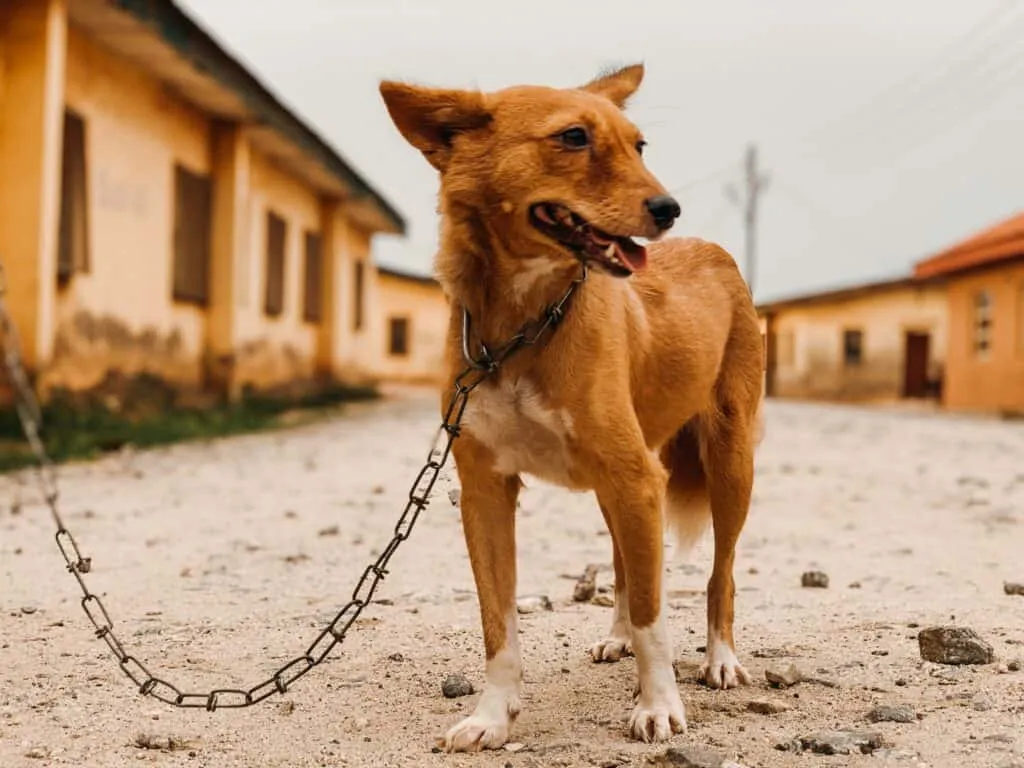
Recent veterinary research highlights important safety factors when using any leash attached to a collar.
Neck and Trachea Safety
A study published in the Veterinary Record found that pressure from collars during leash pulling can risk damage to a dog’s neck, regardless of collar type. The trachea (windpipe) consists of soft cartilage rings that can collapse under repeated pressure.
Small dogs and brachycephalic breeds (those with flat faces) face higher risk of tracheal damage. If your dog pulls heavily, consider:
- Using a chain leash with a well-fitted harness instead of a collar
- Choosing a no-pull harness that distributes pressure across the chest
- Working on loose-leash walking training to reduce pulling behavior
Dental Health
While chain leashes stop leash-chewing behavior, persistent attempts to chew metal can crack or break teeth. Monitor your dog during initial use. If they continue trying to bite the chain, consider additional training or consult a behaviorist about the underlying cause.
Handler Safety
Always use a chain leash with a padded handle. When a strong dog lunges unexpectedly, grabbing bare chain can cause serious cuts. The swivel hook design also helps prevent the chain from wrapping around your hand.
Best Dog Chain Leashes for 2026
Based on durability testing, customer feedback, and safety features, these are our top recommendations.
Best Overall: Pettom Heavy Duty Chain Leash
The Pettom Heavy Duty Chain Leash offers an excellent balance of durability, comfort, and value. Available in multiple chain thicknesses (2.0mm to 4.0mm) and lengths (4 to 6 feet), you can match the leash to your dog’s size.
Key features include chrome-plated links that resist rust and tarnish, plus a comfortable padded handle. The brand offers multiple color options, and the swivel hook prevents tangling during walks.
Best Budget Option: JuWow Metal Dog Leash
The JuWow Metal Dog Leash provides solid quality at a lower price point. It features eight size options to accommodate dogs from 15 to 150+ pounds.
The nylon padded handle offers comfort during extended walks, and the heavy-duty swivel clip attaches securely to collars and harnesses alike.
Best for Large Dogs: CtopoGo Heavy Duty Chain Leash
For owners of very large or powerful breeds, the CtopoGo Heavy Duty Chain Leash delivers maximum strength. The argon-welded, chrome-plated chain will not tarnish, rust, or break even under significant pulling force.
The leather-weaved handle adds a touch of style while providing excellent grip and comfort.
Best Durability: Mogoko Metal Chain Leash
The Mogoko Metal Chain Leash features chrome-plated metal construction rated to withstand the strength of active large breeds. The durable swivel clip design minimizes tangling during energetic walks.
Best Style: PRADOG Gold Chain Leash
If you want a chain leash that makes a statement, the PRADOG Gold Chain Leash combines function with fashion. The 18K gold-plated stainless steel links paired with a genuine leather handle create a premium look.
The manufacturer rates this leash to withstand up to 700 pounds of pulling force, making it as strong as it is stylish.
Alternative Leash Options to Consider
Chain leashes are not the only solution for challenging dogs. Depending on your specific needs, these alternatives might work better:
Retractable leashes: Offer freedom for well-trained dogs in open areas, though they are not ideal for training or strong pullers.
Steel cable leashes: Combine chew-resistance with lighter weight than full chains. Good middle-ground option for medium-strength chewers.
Leather leashes: Durable, comfortable to hold, and soften with use. Work well for dogs who do not chew but need sturdy equipment.
Biothane leashes: Waterproof, easy to clean, and virtually indestructible. Lighter than chain but not completely chew-proof.
Tips for Using a Chain Leash Safely
Follow these guidelines to get the best results from your chain leash:
-
Choose appropriate chain thickness: Match the chain weight to your dog’s size. Thinner chains (2.0mm) work for medium dogs, while large breeds need 3.0mm or thicker.
-
Always use a padded handle: Bare chain can cause injuries when your dog pulls unexpectedly.
-
Consider a harness over a collar: For heavy pullers, attaching to a harness protects your dog’s neck and trachea.
-
Inspect the leash regularly: Check for bent links, rust spots, or weakened clips. Replace immediately if you find damage.
-
Store properly: Keep chain leashes in dry locations to maximize their lifespan.
-
Supervise initial use: Watch for excessive attempts to chew the metal, which could damage teeth.
Frequently Asked Questions
Frequently Asked Questions
Are chain leashes cruel to dogs?
Chain leashes are not inherently cruel when used appropriately. They serve a specific purpose for dogs who chew through standard leashes or need extra-durable equipment. However, they should not be used as punishment or left on dogs unattended. For small dogs, the weight may cause discomfort, so lighter alternatives are recommended.
Can dogs break their teeth on chain leashes?
Yes, persistent chewing on metal can crack or fracture teeth. While most dogs quickly learn that metal is unpleasant to bite and stop trying, some may continue. Monitor your dog during initial use and consult a veterinarian if you notice dental concerns or broken teeth.
What size chain leash do I need for my dog?
Chain thickness should match your dog's size and strength. For dogs under 30 pounds, choose 2.0mm chains. Medium dogs (30-60 pounds) do well with 2.5-3.0mm chains. Large and giant breeds over 60 pounds need 3.5-4.0mm or thicker chains. Leash length is typically 4-6 feet for most walking situations.
Should I use a chain leash with a collar or harness?
For dogs who pull, a harness is safer than a collar. Research shows that pulling against a collar can damage the trachea and neck over time. Attach your chain leash to a well-fitted harness to protect your dog's throat while still benefiting from the chain's durability.
How do I clean a chain dog leash?
Wipe chain leashes with a damp cloth after walks to remove dirt and debris. For deeper cleaning, wash with mild soap and water, then dry thoroughly to prevent rust. Avoid leaving wet chain leashes in enclosed spaces. Periodically apply a light coat of mineral oil to maintain shine and prevent corrosion.
Final Thoughts
Chain leashes fill an important niche in the dog product world. For owners dealing with persistent leash chewers or powerful dogs who need indestructible equipment, a quality chain leash provides peace of mind and long-term value.
However, chain leashes are not the right choice for every dog. Small breeds, puppies, and dogs with respiratory issues typically do better with lightweight alternatives. Always prioritize your dog’s comfort and safety when selecting walking equipment.
If you decide a chain leash is right for your dog, pair it with positive reinforcement training to build good walking habits. Remember that the leash is a tool, and consistent, reward-based training creates the best walking experience for both you and your dog.
For more guidance on walking equipment and training, explore our guides on dog harnesses, leash training older dogs, and puppy leash training.
As an Amazon Associate, we earn from qualifying purchases. Product recommendations are based on our research and testing, and we only recommend products we believe provide value to our readers.
Personalized Training
Need Expert Dog Training Help?
Get matched with certified trainers in your area for personalized solutions.