Positive reinforcement training has become the gold standard in modern dog training, and for good reason. Backed by decades of scientific research and endorsed by the American Veterinary Society of Animal Behavior (AVSAB), this reward-based approach produces better-behaved dogs while building a stronger bond between you and your pet.
Whether you are bringing home a new puppy or working with an adult dog, understanding and applying positive reinforcement techniques will transform your dog training experience. In this comprehensive guide, we will explore the science behind positive reinforcement, practical techniques you can use today, and why leading animal behavior experts recommend this approach above all others.
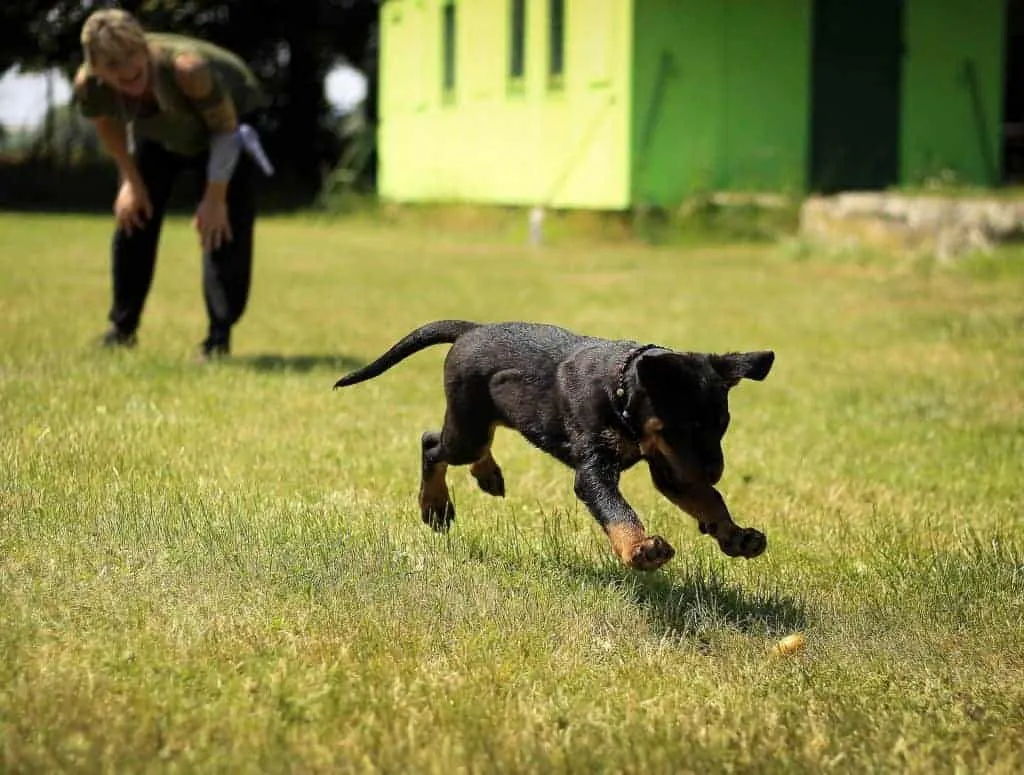
What Is Positive Reinforcement Dog Training?
Positive reinforcement is rooted in operant conditioning, a learning theory developed by behavioral psychologist B.F. Skinner in 1937. In simple terms, positive reinforcement means adding something desirable (like a treat, praise, or play) immediately after your dog performs a behavior you want to encourage.
When your dog receives a reward for a specific action, their brain creates a positive association with that behavior. Over time, your dog learns that certain actions lead to good outcomes, making them more likely to repeat those behaviors.
How Positive Reinforcement Works
The process follows a straightforward pattern:
- Cue: You give a command or signal (like “sit”)
- Behavior: Your dog performs the desired action
- Reward: You immediately deliver a treat, praise, or other reward
- Reinforcement: Your dog’s brain associates the behavior with positive outcomes
The key word here is immediately. Research shows that rewards must be delivered within 1 to 3 seconds of the desired behavior for your dog to make the connection. This is why many trainers use clicker training, which allows you to mark the exact moment your dog performs correctly.
Types of Positive Reinforcement
Not all dogs are motivated by the same rewards. Understanding what drives your dog helps you choose the most effective reinforcers:
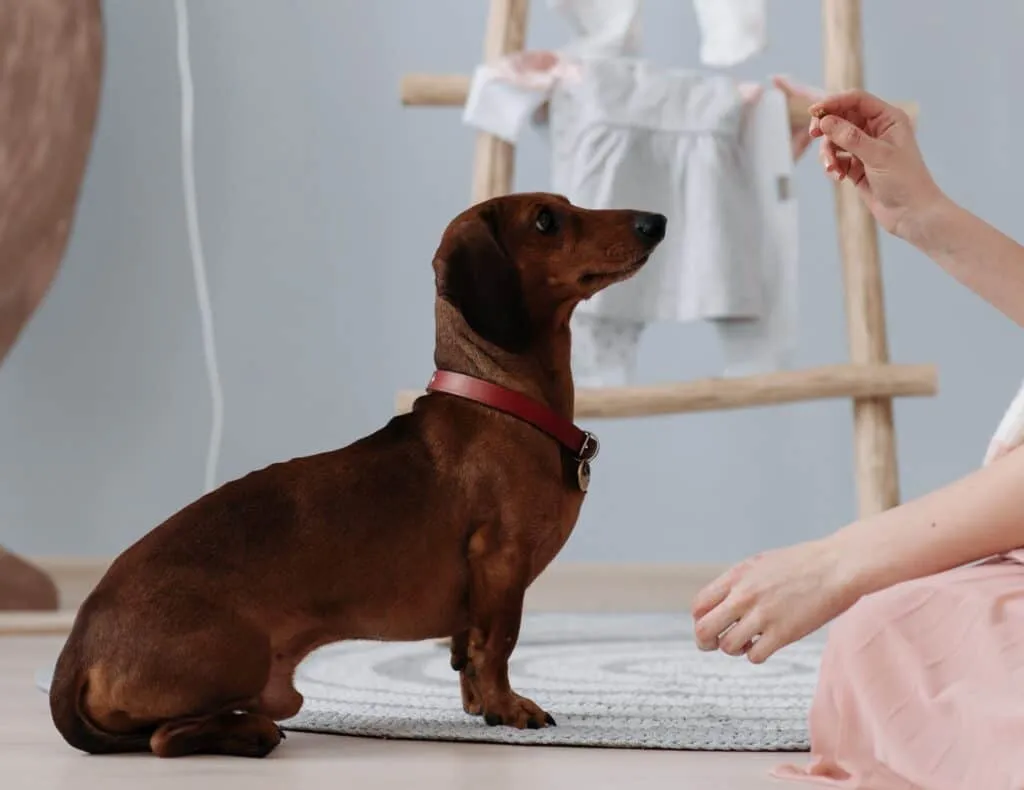
- Food rewards: High-value training treats work best for most dogs. Choose small, soft treats that can be consumed quickly.
- Verbal praise: Enthusiastic words like “Good dog!” or “Yes!” in an upbeat tone
- Physical affection: Petting, scratching, or belly rubs for dogs who enjoy touch
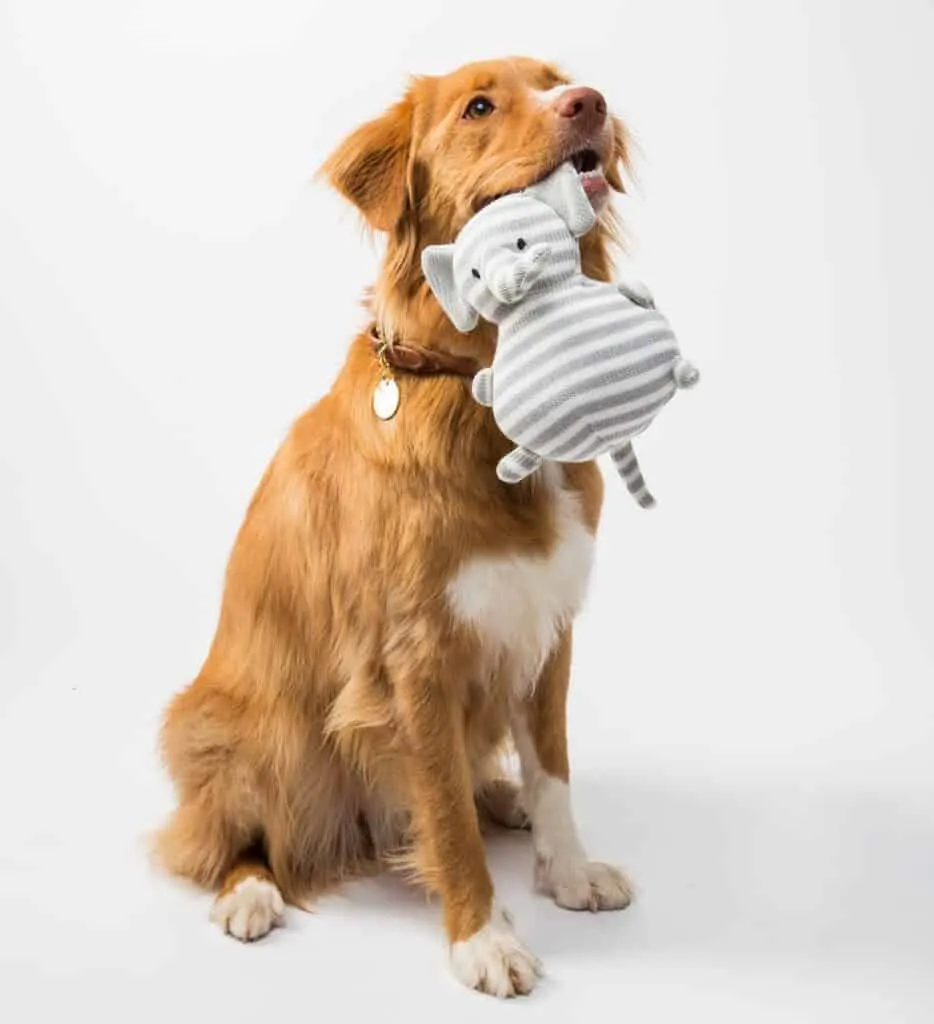
- Play rewards: A quick game of tug or fetch for toy-motivated dogs
- Life rewards: Access to desired activities like going outside, greeting people, or sniffing on walks
The most effective approach often combines multiple reward types. Pairing treats with verbal praise helps your dog eventually respond to praise alone.
The Science Behind Positive Reinforcement
The effectiveness of positive reinforcement training is not just anecdotal. It is supported by extensive scientific research and endorsed by major veterinary and animal behavior organizations.
What the Research Shows
A landmark study published in the Journal of Veterinary Behavior found that dogs trained with reward-based methods:
- Displayed better obedience overall
- Showed fewer behavioral problems
- Exhibited less stress during training sessions
- Had stronger bonds with their owners
Research comparing training methods found that owner-reported obedience correlated positively with the use of rewards. Conversely, the number of behavioral problems reported increased when punishment-based methods were used.
Professional Organization Recommendations
The American Veterinary Society of Animal Behavior (AVSAB) released a position statement on humane dog training that explicitly recommends reward-based methods only for all dog training and behavior modification. Their statement is clear: there is no evidence that aversive training is necessary, even for dogs with challenging behaviors.
Other organizations supporting positive reinforcement include:
- Association of Professional Dog Trainers (APDT)
- Karen Pryor Academy
- International Association of Animal Behavior Consultants (IAABC)
- The Humane Society
How to Use Positive Reinforcement Effectively
Success with positive reinforcement requires more than simply giving your dog treats. Here are the key principles that make this method work.
Time Your Rewards Correctly
Timing is everything in positive reinforcement training. You have approximately 1.3 seconds to reward your dog after they perform the desired behavior. Any longer, and your dog may not connect the reward with the action.
This is why clicker training has become so popular. The click sound acts as a “bridge” that marks the exact moment your dog did something right, buying you time to deliver the actual reward.
Start Simple and Build Gradually
Begin with easy behaviors your dog already knows or naturally offers. The “sit” command is often the best starting point because most dogs sit naturally when looking up at treats.
Once your dog masters basic commands, you can progress to more challenging behaviors:
- Basic commands (sit, down, stay)
- Leash walking
- Recall (coming when called)
- Crate training
- Advanced tricks and behaviors
Keep Training Sessions Short
Dogs, especially puppies, have limited attention spans. Training sessions should last 5 to 15 minutes depending on your dog’s age and focus level. Multiple short sessions throughout the day are more effective than one long session.
End each session on a positive note with a behavior your dog knows well. This keeps training enjoyable and leaves your dog eager for the next session.
Be Consistent
Consistency is crucial for your dog to understand what you expect. This means:
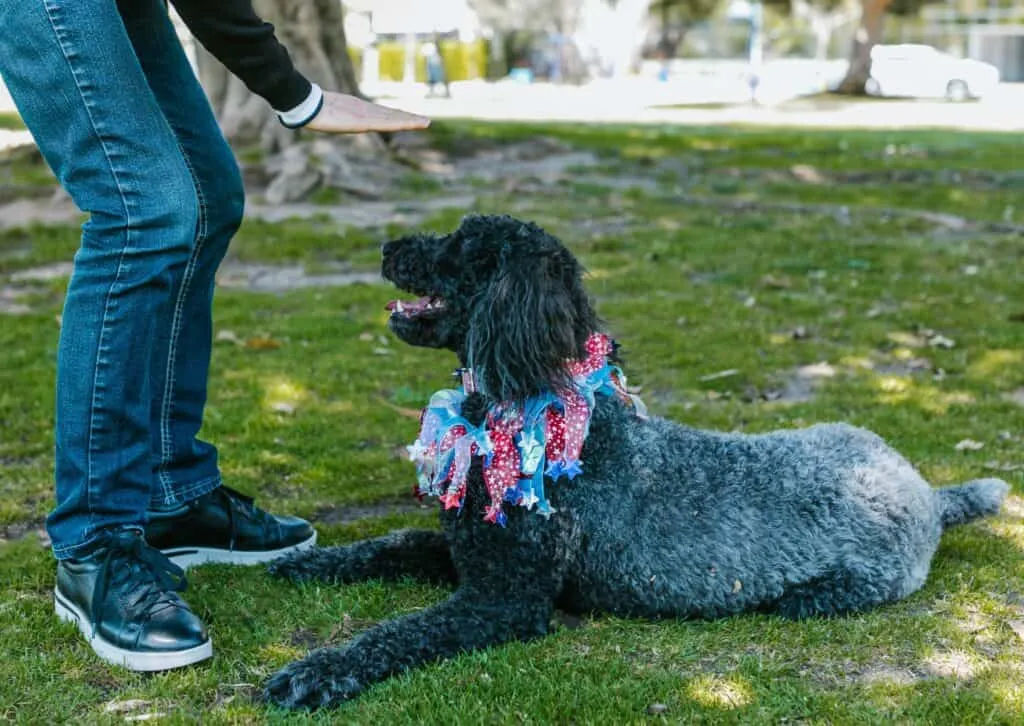
- Using the same verbal cues every time
- Rewarding the same behaviors
- Having all family members follow the same training rules
- Maintaining the same expectations in different environments
Use Clear, Simple Commands
Choose short, distinct words for each command. “Sit,” “down,” “stay,” and “come” are clear and easy for dogs to distinguish. Avoid using similar-sounding words for different commands, and never use your dog’s name as a command.
What About Unwanted Behaviors?
Positive reinforcement focuses on teaching your dog what TO do rather than punishing what NOT to do. But what happens when your dog exhibits unwanted behaviors?
Understanding Negative Punishment
In positive reinforcement training, we address unwanted behaviors through negative punishment, which means removing something the dog wants when they misbehave. This is very different from physical punishment or harsh corrections.
Examples include:
- Jumping on people: Turn away and ignore your dog until they have all four paws on the floor
- Pulling on leash: Stop walking until the leash is loose
- Demand barking: Withhold attention until your dog is quiet
- Play biting: End the play session immediately
The key is that you are removing something desirable (attention, forward movement, play) rather than adding something unpleasant.
Why Punishment-Based Methods Backfire
Research consistently shows that punishment-based training methods carry significant risks:
- Increased stress and anxiety in dogs
- Damage to the human-dog bond
- Potential for fear-based aggression
- Suppression of warning signals (like growling) without addressing underlying issues
- Less effective long-term results
The AVSAB states there is “no role for aversive training in behavior modification plans” with “no exceptions,” even for dogs displaying aggressive behaviors.
Benefits of Positive Reinforcement Training
Builds a Stronger Bond
When training is associated with good things, your dog learns to trust you and looks forward to spending time with you. This creates a cooperative relationship rather than one based on fear or avoidance.
Creates a Confident Dog
Dogs trained with positive methods learn to make choices and think through problems. This builds confidence because they understand that good behavior leads to positive outcomes, rather than simply avoiding punishment.
Works for All Dogs
Positive reinforcement is effective for:
- Puppies learning their first commands
- Adult dogs learning new behaviors
- Senior dogs maintaining skills
- Fearful or anxious dogs building confidence
- Dogs with behavior problems requiring modification
Involves the Whole Family
Positive reinforcement is safe for everyone in your household to use, including children. This consistency across family members accelerates learning and strengthens bonds throughout your family.

Essential Training Tools and Resources
Training Treats
The right treats make a significant difference in training success. Look for:
- Small size: Easy to consume quickly without interrupting training
- Soft texture: Can be eaten in one bite
- High value: Something your dog finds irresistible
Blue Buffalo Soft-Moist Training Treats are excellent for training sessions because they are small, soft, and come in flavors dogs love.
Clickers
A clicker provides precise timing that helps your dog understand exactly which behavior earned the reward. Combined with treats, clicker training accelerates the learning process significantly.
Recommended Books
For a deeper understanding of positive reinforcement methods, consider these resources:
-
Training the Best Dog Ever by Dawn Sylvia-Stasiewicz, who trained Obama’s White House dog, Bo. This book outlines a positive reinforcement system that can transform your dog’s behavior in 5 weeks.
-
The Power of Positive Dog Training offers an in-depth look at reward-based training techniques for lifelong success with your dog.
Interactive Toys
Mental stimulation supports training by keeping your dog engaged and preventing boredom-related behavior problems. A KONG - Classic Dog Toy filled with treats can serve as a reward after successful training sessions.
When to Seek Professional Help
While positive reinforcement training can be done at home, some situations benefit from professional guidance:
- Your dog shows signs of aggression toward people or other animals
- You are dealing with severe anxiety or fear-based behaviors
- Your dog is not responding to your training efforts
- You want to accelerate training or learn advanced techniques
- You are preparing your dog for specific work (therapy, service, competition)
When searching for a trainer, look for certifications from organizations like the Certification Council for Professional Dog Trainers (CCPDT) or Karen Pryor Academy. Ask about their training philosophy and ensure they use reward-based methods exclusively.
If you are ready to work with a professional, find a certified dog trainer in your area who uses positive reinforcement methods. A qualified trainer can create a customized training plan for your dog’s specific needs and help you develop your own training skills.
Start Training Today
Positive reinforcement is not just a training technique. It is a way of building a relationship with your dog based on trust, communication, and mutual respect. The scientific evidence is clear: reward-based training produces better-behaved dogs with fewer behavioral problems while strengthening the bond you share.
Begin with simple behaviors, reward immediately and consistently, and be patient with the process. Every dog learns at their own pace, but with positive reinforcement, you are setting both yourself and your dog up for success.
Remember, a well-trained dog is a happy dog, and the journey of training together can be one of the most rewarding experiences of pet ownership.
Frequently Asked Questions
How long does it take for positive reinforcement training to work?
Most dogs begin responding to positive reinforcement within their first few training sessions. Basic commands like 'sit' can often be learned in just a few days with consistent practice. However, reliable behavior in various environments typically takes 4-6 weeks of regular training. Complex behaviors or behavior modification for existing problems may take several months. The key is consistency: short daily sessions of 5-15 minutes produce better results than occasional longer sessions.
Can positive reinforcement work for aggressive dogs?
Yes, positive reinforcement is actually the recommended approach for aggressive dogs according to the American Veterinary Society of Animal Behavior (AVSAB). Punishment-based methods can increase fear and anxiety, potentially making aggression worse. Reward-based training addresses the underlying emotional state while teaching alternative behaviors. However, aggression cases should always involve a qualified professional, such as a veterinary behaviorist or certified applied animal behaviorist, to ensure safety and develop an appropriate behavior modification plan.
Do I have to use treats forever?
No, treats are most important during the initial learning phase. Once your dog reliably performs a behavior, you can gradually transition to other rewards like verbal praise, petting, or play. This process, called 'fading the lure,' involves intermittent reinforcement where rewards become less predictable but still occur. Many dogs eventually work for praise and life rewards (like going outside or playing) once behaviors are well-established. However, occasional treat rewards help maintain enthusiasm and reliability.
What if my dog is not food motivated?
While most dogs are food motivated, some respond better to other rewards. Try different types of treats, including real meat, cheese, or freeze-dried options, some dogs simply need higher-value rewards. If food still does not work, identify what does motivate your dog: toys, play, praise, or access to activities they enjoy. For some dogs, a quick game of tug or the opportunity to sniff on a walk can be powerful reinforcers. The key is finding what your individual dog finds rewarding.
Is positive reinforcement the same as permissive training?
Absolutely not. Positive reinforcement training still involves clear boundaries and expectations. The difference is in how you communicate those expectations. Instead of punishing unwanted behavior, you focus on rewarding desired behavior and removing rewards for unwanted behavior. You still say 'no' when needed and redirect your dog to appropriate alternatives. Positive reinforcement creates well-behaved dogs through clear communication and motivation, not through lack of structure.
Personalized Training
Need Expert Dog Training Help?
Get matched with certified trainers in your area for personalized solutions.