Does your dog inhale their food in seconds flat? You are not alone. Fast eating is one of the most common concerns among dog owners, and for good reason. Rapid eating can lead to serious health problems, including the potentially fatal condition known as bloat.
While commercial slow feeder dog bowls are highly effective, they are not your only option. If you want to test whether slow feeding works for your pup before investing, or you simply prefer a budget-friendly approach, you can create effective DIY slow feeders using items you already have at home.
In this guide, we share nine proven DIY slow feeder methods that can help your dog develop healthier eating habits. For more information on choosing the right food for your dog, check out our complete dog food guide.
Why Dogs Need to Eat Slowly
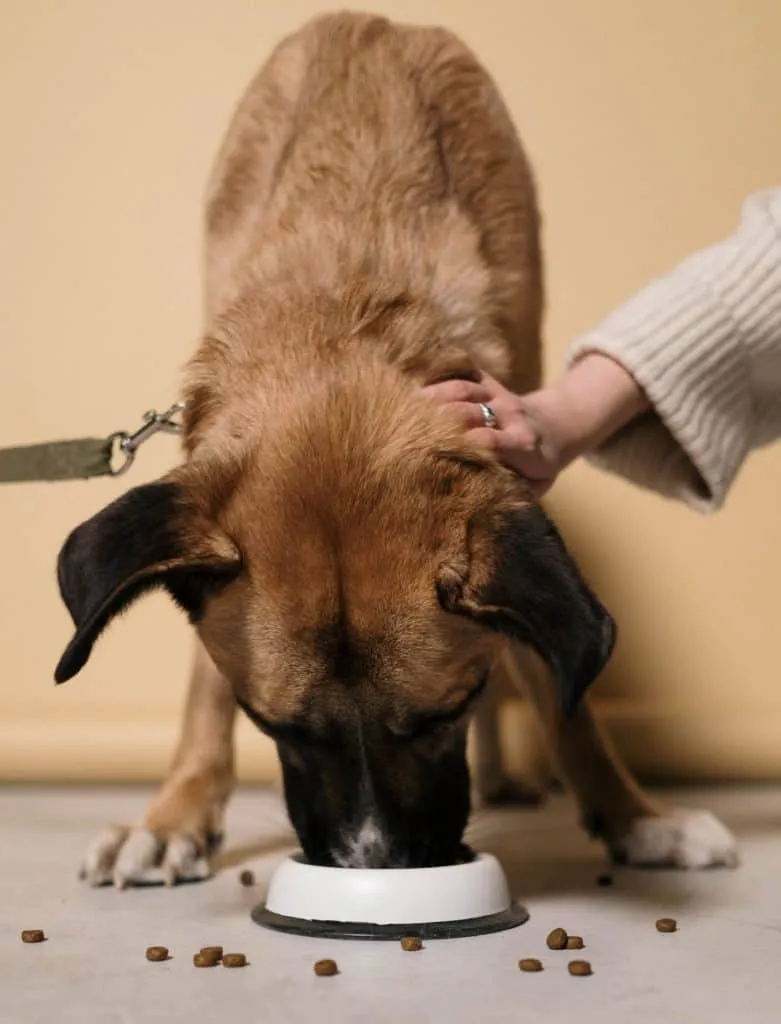
Dogs are natural fast eaters. In the wild, eating quickly meant survival because there was always competition for food. However, domesticated dogs no longer face these pressures, yet many retain this instinctive behavior.
The Dangers of Fast Eating
When dogs eat too quickly, they gulp large amounts of air along with their food. This can lead to several health issues:
- Gastric Dilatation-Volvulus (GDV): Also known as bloat, this life-threatening condition occurs when the stomach fills with gas and potentially twists on itself. According to Cornell University College of Veterinary Medicine, GDV is a medical emergency that can be fatal without immediate surgical intervention.
- Choking and gagging: Food that is not properly chewed can become lodged in the throat.
- Vomiting: Dogs that eat too fast often regurgitate their meals.
- Poor nutrient absorption: Food that is not adequately broken down by chewing passes through the digestive system without being fully digested.
- Overeating: Fast eaters often consume more than they need because their brain does not have time to register fullness.
Large, deep-chested breeds like Great Danes, German Shepherds, and Standard Poodles face the highest risk for GDV, but any dog can be affected. If your dog finishes their meal in under 30 seconds, it is time to intervene.
9 DIY Slow Feeder Dog Bowl Ideas
Creating your own slow feeder is easier than you might think. Here are nine effective methods using common household items.
1. The Wet and Dry Food Combo
One of the simplest methods involves using wet and dry food together in a strategic way.
How to do it:
- Spread a thin layer of wet food across the bottom of your dog’s bowl
- Press individual pieces of kibble into the wet food
- The wet food acts as a natural “glue” that makes your dog work to extract each piece
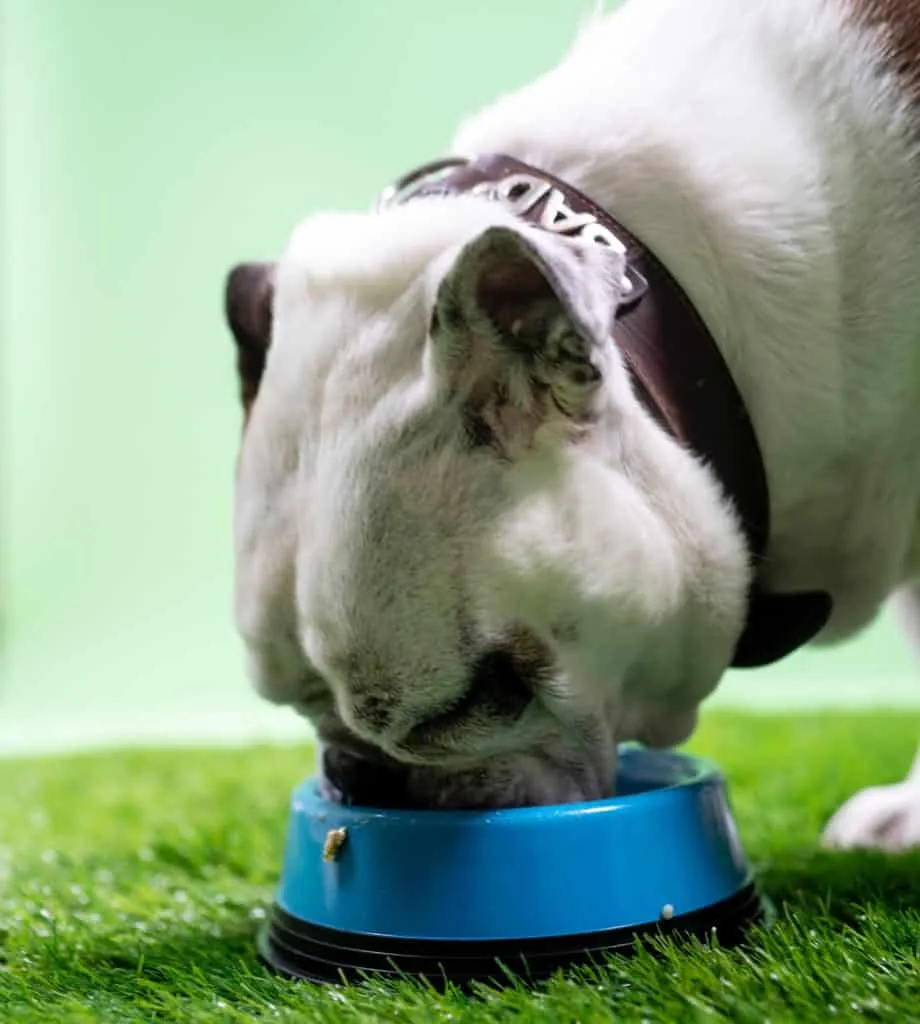
This method forces your dog to lick and work for their food rather than gulping it down. The combination of textures also makes mealtime more interesting and mentally engaging.
2. Frozen Food Challenge
Taking the wet-dry combo one step further, freezing creates an even greater challenge for fast eaters.
How to do it:
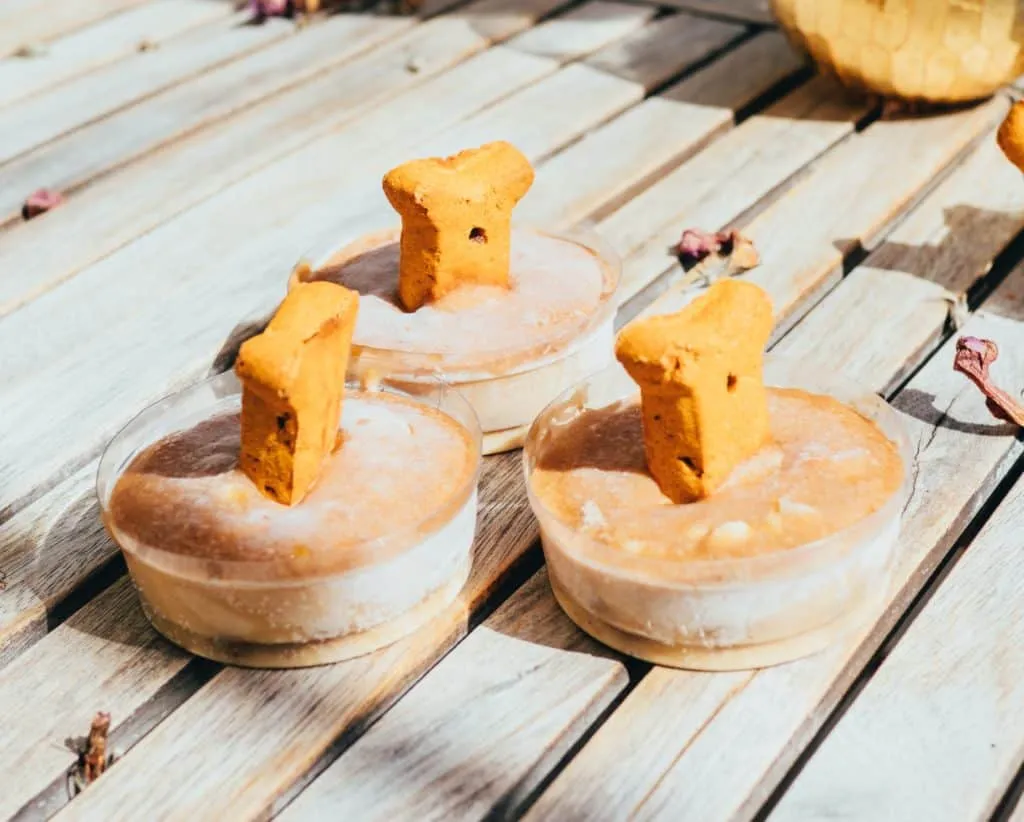
- Spread wet food or dog-safe peanut butter on the bottom of a freezer-safe bowl (most stainless steel or ceramic bowls work well)
- Press kibble into the spread
- Freeze for 2-4 hours until solid
- Serve frozen, and let your dog lick their way through
Supervision tip: Monitor your dog during their first few sessions to ensure they do not bite aggressively at frozen food, which could damage teeth.
Safety Warning: If using peanut butter, always check the label for xylitol (sometimes listed as “birch sugar”). Xylitol is extremely toxic to dogs and can be fatal. Stick to natural peanut butter with only peanuts and salt as ingredients. Safe brands include Teddie, Adams Natural, Crazy Richard’s, and Kirkland Signature Organic.
3. The Ball Obstacle Method
Adding an obstacle to your dog’s bowl creates a simple but effective slow feeder.

How to do it:
- Place a large, heavy object in the center of your dog’s food bowl
- Spread food around the obstacle
- Your dog must navigate around the object to eat
What to use:
- A smooth, heavy river rock (cleaned and sanitized)
- A large stainless steel ball
- A heavy ceramic object
Critical Safety Note: The object MUST be large enough that your dog cannot fit it in their mouth. Tennis balls are not recommended for most dogs, as they can be compressed and lodged in the throat, creating a serious choking hazard. According to the American Kennel Club, dogs with powerful jaws can easily crush tennis balls, leading to life-threatening airway blockages. Choose an object that is wider than your dog’s jaw.
4. Muffin Tin Feeder
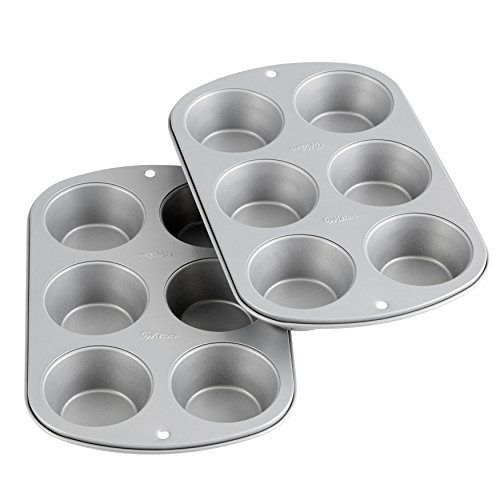
Muffin tins make excellent DIY slow feeders because they naturally portion out food into smaller servings.
How to do it:
- Divide your dog’s meal evenly across the muffin tin cups
- For an added challenge, place smooth rocks over some cups (ensuring they are too large to swallow)
- Your dog must remove obstacles and eat from multiple small portions
Advanced version: Flip the muffin tin upside down and place food in the spaces between the cup bottoms. Your dog will need to use their tongue and paws to reach the kibble.
Note for brachycephalic breeds: Dogs with short snouts (Bulldogs, Pugs, French Bulldogs) may struggle with the upside-down method. Stick to the standard right-side-up approach for these breeds.
5. Cardboard Tube Dispenser
Transform empty toilet paper or paper towel tubes into interactive feeders.
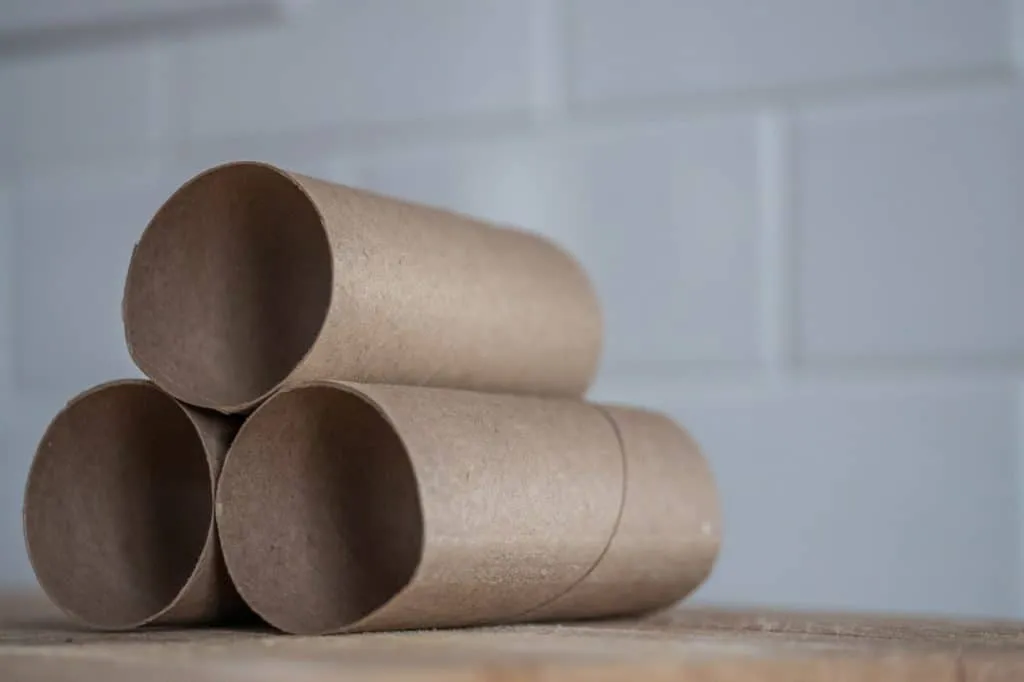
How to do it:
- Fold or tape one end of the tube closed
- Fill with kibble or small treats
- Fold or tape the other end closed
- Optional: Poke holes in the tube so kibble falls out as your dog rolls it
Your dog must tear the cardboard, roll the tube, or shake it to access their food. This method provides both physical activity and mental stimulation.
Benefits:
- Free (using items you would otherwise discard)
- Engages natural foraging instincts
- Provides mental enrichment
Supervision required: Always supervise your dog when using cardboard tubes. Remove any small pieces of cardboard your dog tears off to prevent ingestion.
6. Empty Tin Can Dispenser
Similar to the cardboard tube, a tin can creates a more durable food dispenser.
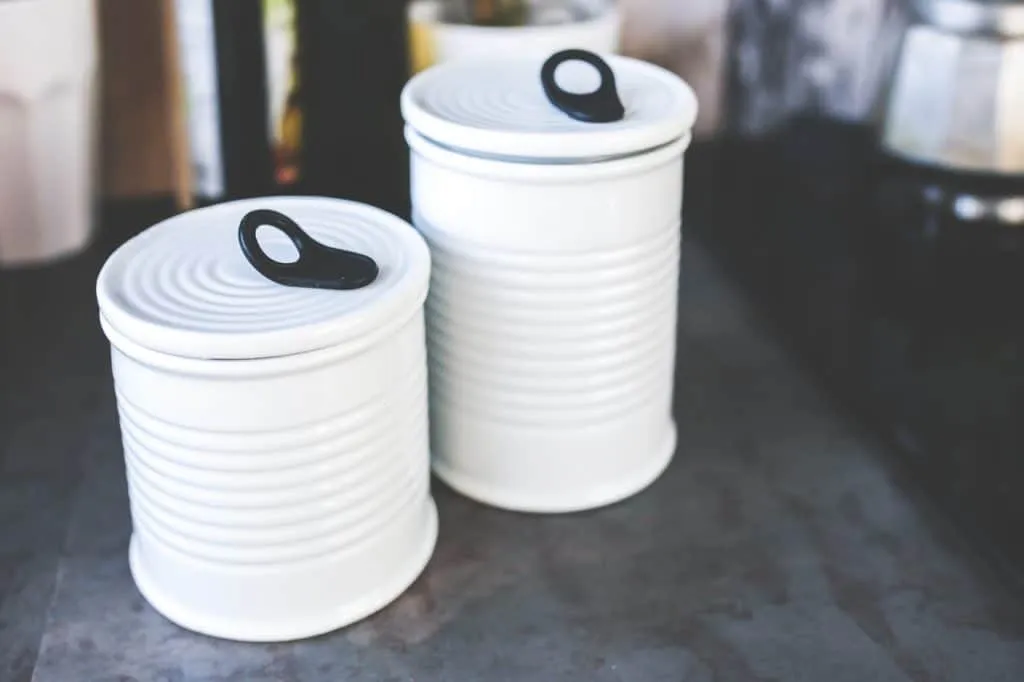
How to do it:
- Thoroughly clean and dry an empty tin can
- Use a metal file or sandpaper to smooth ALL sharp edges
- Punch or drill several holes large enough for kibble to fall through
- Add food, secure the lid, and let your dog roll it to dispense food
Critical Safety Warning: Tin cans can have extremely sharp edges that can cut your dog’s mouth, tongue, or paws. This method requires careful preparation. If you are not confident in your ability to completely smooth all edges, skip this method and use a commercial treat dispenser instead. Your dog’s safety is more important than saving money.
7. Two Bowls Become One
If you have different-sized bowls from when your dog was a puppy, you can create an instant slow feeder.
How to do it:
- Place the smaller bowl upside down inside the larger bowl
- This creates a raised dome in the center
- Spread food around the dome in the moat-like space
Your dog must eat around the obstacle, naturally slowing their pace. This method works especially well with stainless steel bowls, as the inner bowl is heavy enough to stay in place.
8. Snuffle Mat Feeding
Snuffle mats are fabric mats with numerous fleece strips that hide food and encourage natural foraging behavior.
Why snuffle mats work:
According to the American Kennel Club, snuffle mats are excellent for mental stimulation and can tire a dog as effectively as physical exercise. Dogs must use their nose to locate hidden kibble, engaging their powerful sense of smell (which is 10,000-100,000 times more sensitive than humans).
Benefits include:
- Slows eating dramatically
- Provides mental enrichment that can tire dogs as effectively as physical exercise
- Reduces stress and anxiety
- Satisfies natural foraging instincts
Caution: Snuffle mats are not suitable for aggressive chewers. Dogs that treat everything like a chew toy may tear off and swallow fabric pieces, potentially causing intestinal blockages.
9. Puzzle Toy Feeding
Turn interactive puzzle toys into slow feeders by using them for regular meals, not just treats.
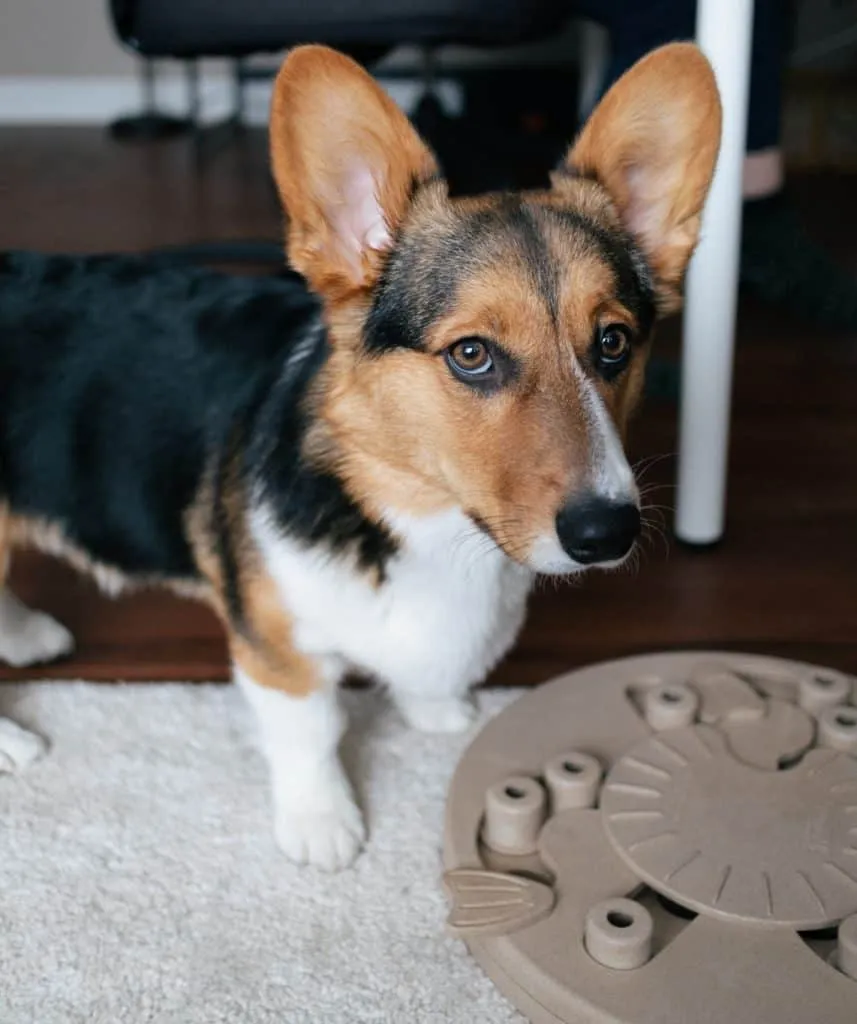
How to do it:
- Fill puzzle toy compartments with your dog’s regular kibble
- Set difficulty levels according to your dog’s experience
- Supervise the first few sessions to ensure your dog does not become frustrated
Puzzle feeding provides significant mental stimulation while dramatically extending meal times. A meal that would take 30 seconds from a regular bowl can take 5-10 minutes from a puzzle feeder.
Choosing the Right Method for Your Dog
Not every DIY slow feeder works for every dog. Consider these factors:
| Dog Characteristic | Best DIY Methods | Methods to Avoid |
|---|---|---|
| Aggressive chewers | Muffin tin, two-bowl method, frozen food | Cardboard tubes, snuffle mats |
| Brachycephalic breeds | Snuffle mat, wet-dry combo, ball obstacle | Upside-down muffin tin |
| Small dogs | Snuffle mat, frozen food, puzzle toys | Large obstacles, tin cans |
| Large/powerful dogs | Muffin tin, two-bowl method, frozen food | Tennis ball obstacles |
When to Buy a Commercial Slow Feeder Instead
While DIY methods are effective, there are situations where investing in a commercial slow feeder bowl or bowl insert makes more sense:
- Your dog destroys DIY solutions: Some dogs are too determined and will circumvent homemade feeders
- Safety concerns: If you are worried about sharp edges or choking hazards
- Convenience: Commercial bowls are dishwasher-safe and require no preparation
- Severe fast eating: Dogs at high risk for GDV may need veterinary-recommended solutions
Additional Tips for Slowing Down Fast Eaters
Beyond DIY slow feeders, try these strategies:
- Feed smaller, more frequent meals: Two or three meals daily instead of one large meal reduces GDV risk
- Avoid elevated bowls: A Purdue University study found elevated feeders significantly increased GDV risk in large and giant breeds
- Create a calm feeding environment: Anxious dogs eat faster; feed in a quiet, low-stress area
- Separate multiple dogs: Competition drives fast eating; feed dogs in separate rooms if needed
- Wait after exercise: Allow your dog to rest for at least an hour before and after meals
If your dog continues to eat dangerously fast despite these interventions, or if you notice symptoms like excessive drooling, a distended abdomen, or unproductive retching after meals, contact your veterinarian immediately. These could be signs of bloat requiring emergency treatment.
Frequently Asked Questions
Are DIY slow feeders safe for dogs?
DIY slow feeders can be safe when made properly and used with supervision. The key is ensuring all materials are dog-safe, non-toxic, and present no choking hazards. Always choose obstacles larger than your dog's mouth, avoid sharp edges, and never leave your dog unsupervised with homemade feeders. If you have concerns, commercial slow feeder bowls are a safer alternative.
How much longer should a slow feeder make my dog eat?
A good slow feeder should extend meal time from about 30 seconds to 5-10 minutes or more. If your dog is still finishing in under 2 minutes, try a more challenging method. The goal is to slow eating enough to reduce air gulping and allow proper chewing, which helps prevent bloat and improves digestion.
Can I use a tennis ball as a DIY slow feeder obstacle?
Tennis balls are not recommended for most dogs, especially those with powerful jaws. Dogs can compress tennis balls, and if the ball rebounds in their mouth, it can lodge in their throat and cause choking. Use heavier objects like smooth river rocks or stainless steel balls that are wider than your dog's jaw and cannot be compressed.
Is peanut butter safe to use in DIY slow feeders?
Natural peanut butter is safe for dogs in moderation, but you must check the label for xylitol (also called birch sugar), which is extremely toxic to dogs. Only use peanut butter with peanuts and salt as the only ingredients. Safe brands include Teddie, Adams Natural, Crazy Richard's, and Kirkland Signature Organic.
Why does my dog eat so fast even when not hungry?
Fast eating is often an instinctive behavior rooted in survival instincts from puppyhood when dogs competed with littermates for food. Some breeds are naturally more competitive eaters. Other causes include anxiety, previous food insecurity (common in rescue dogs), or underlying health issues like parasites. If your dog suddenly starts eating faster than usual, consult your veterinarian.
Personalized Training
Need Expert Dog Training Help?
Get matched with certified trainers in your area for personalized solutions.