Potty training a puppy can be both rewarding and challenging. While crate training is a popular and effective method, it is not the only path to a house-trained dog. Whether you live in a small apartment, prefer not to use confinement, or simply want alternative approaches, potty training without a crate is absolutely achievable with the right techniques.
According to the American Kennel Club, most puppies can be fully house-trained between 4-6 months of age, regardless of the method you choose. The key factors are consistency, supervision, and positive reinforcement rather than any specific tool.
In this comprehensive guide, we will walk you through proven crate-free potty training methods that professional dog trainers recommend. For more foundational training techniques, check out our Complete Dog Training Guide.

BLUETREE 2 Pack Dog Doorbells Premium Quality Training Potty Great Dog Bells Adjustable Door Bell Dog Bells for Potty Training Your Puppy The Easy Way - 7 Extra Large Loud 1.4 DoorBells

Amazon Basics Dog and Puppy Pee Pads with Leak-Proof Quick-Dry Design for Potty Training, Standard Absorbency, Regular Size, 22 x 22 Inches, Pack of 150, Blue & White

Nature's Miracle Stain & Odor Remover
View View on Amazon
IRIS USA Pee Pad Holder - For Potty Training Regular Sized Dog & Puppy Pee Pads, Secured Latches, Non-Skid Feet, Leak Protection, Fits 22"x22" Pad or Larger, Square, Dark Gray
Zuke's Mini Naturals Training Treats
View View on AmazonDo You Need A Crate To Potty Train A Puppy?
The short answer is no. Crates are valuable house training tools because they leverage a dog’s natural instinct not to soil their sleeping area. However, you can achieve the same results through supervision, confinement alternatives, and consistent scheduling.
Many successful dog owners around the world use crate-free methods, particularly in countries where crate training is less common. The fundamental principles of potty training remain the same:
- Prevent accidents through supervision and management
- Reward success with treats and praise
- Establish routines that align with your puppy’s biology
- Clean accidents properly to prevent repeat offenses
If you are curious about the crate method as a comparison, our article on crate training a puppy covers the benefits and step-by-step process.
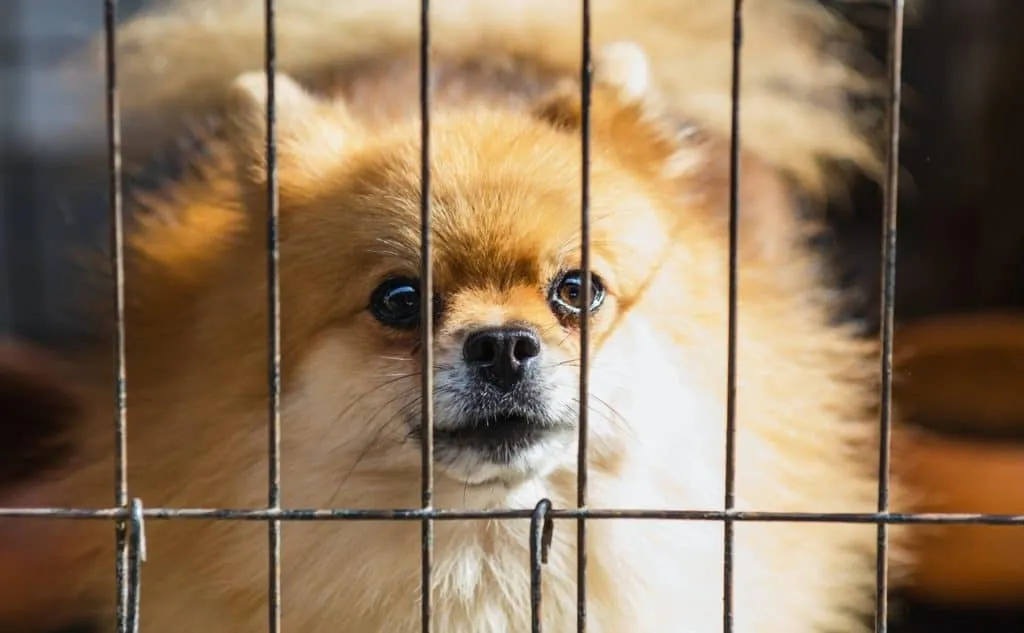
Why Choose Crate-Free Potty Training?
There are several legitimate reasons why pet owners opt for crate-free house training methods:
Living Situation
Apartment dwellers or those with limited space may find crates impractical. A crate-free approach works well when you can dedicate a puppy-proofed room or area instead.
Schedule Flexibility
If you work from home or have a flexible schedule that allows for frequent potty breaks, you may not need the structure a crate provides.
Previous Negative Experience
Some rescue puppies or dogs from certain backgrounds may have negative associations with confinement. For these dogs, alternative methods are essential.
Personal Preference
Some owners simply prefer more freedom for their puppies. When paired with proper supervision and training, this approach works well.
Increased Bonding Time
Without relying on crate confinement, you spend more active time supervising and interacting with your puppy during the training period.
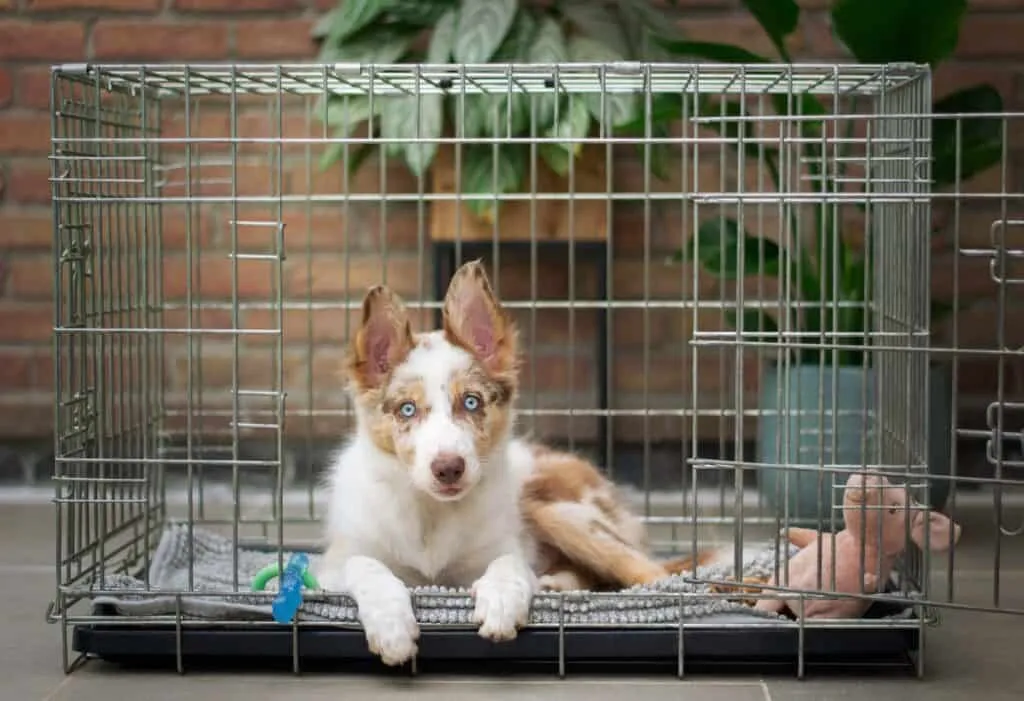
Understanding Your Puppy’s Bladder Capacity
Before diving into training steps, it is crucial to understand your puppy’s physical limitations. The AKC recommends the month-plus-one rule: take your puppy’s age in months and add one to estimate the maximum hours they can hold their bladder.
| Puppy Age | Maximum Hold Time | Recommended Potty Breaks |
|---|---|---|
| 8 weeks | 2-3 hours | Every 1-2 hours |
| 12 weeks | 3-4 hours | Every 2-3 hours |
| 16 weeks | 4-5 hours | Every 3-4 hours |
| 6 months | 6-7 hours | Every 4-5 hours |
| 1 year+ | 8+ hours | Every 6-8 hours |
Important: These are maximum estimates. During active training, take your puppy out more frequently to set them up for success rather than testing their limits.
5 Steps For Crate-Free Potty Training
Here is our proven method for potty training your puppy without a crate, based on positive reinforcement principles recommended by certified dog trainers.
Step 1: Learn Your Puppy’s Potty Cues
The foundation of crate-free training is recognizing when your puppy needs to eliminate. According to the AKC, common signs include:
- Sniffing the ground intensely in one area
- Circling in place before squatting
- Whining or becoming restless
- Walking toward the door or previous accident spots
- Sudden disinterest in play or activities
- Squatting (this means you need to move fast!)
During the first few weeks, keep your puppy within eyesight at all times. Attach a lightweight leash to your belt (called “umbilical cord training”) to ensure you notice these signals immediately.
Teaching Your Puppy to Signal
You can actively teach your puppy to communicate their needs through bell training. This method teaches your puppy to ring a potty bell when they need to go outside.
To start bell training:
- Hang bells at your puppy’s nose height near the exit door
- Every time you take your puppy out, guide their nose or paw to ring the bell
- Say your potty cue word (“outside” or “potty”) as the bell rings
- Immediately open the door and go to the designated spot
- Reward successful elimination with treats and praise
With consistent practice, most puppies learn to ring the bell independently within 2-4 weeks.
Step 2: Designate A Potty Area
Consistency is essential for successful potty training. Choose one specific location where you want your puppy to eliminate and use it every single time.
Outdoor Potty Training
For outdoor training:
- Select a spot in your yard that is easily accessible in all weather
- Choose an area away from high-traffic zones and play areas
- Take your puppy to this exact spot on leash every time
- Use a consistent verbal cue like “go potty” while they sniff
- Wait patiently (up to 5 minutes) for them to eliminate
- Reward immediately after they finish with treats and enthusiastic praise
The scent from previous eliminations will help your puppy recognize this as their bathroom spot.
Indoor Potty Training (When Necessary)
If you cannot take your puppy outside frequently (high-rise apartment, extreme weather, health restrictions), indoor training with puppy pads is a valid alternative.
For successful indoor training:
- Choose a bathroom or laundry room with easy-to-clean flooring
- Cover a generous area with pads initially, then gradually reduce coverage
- Keep one small piece of soiled pad under the clean pad (the scent signals “bathroom”)
- Never place pads near food, water, or sleeping areas
You can also use an artificial grass pad system for easier outdoor transition later. A puppy pad holder helps keep pads secure and prevents your puppy from shredding them.
Note: Indoor training may extend the overall house-training timeline, as you will eventually need to transition your puppy to outdoor elimination.
Step 3: Establish A Consistent Potty Schedule
A predictable schedule is your most powerful tool for preventing accidents. Puppies thrive on routine, and their elimination patterns become predictable once you establish consistent feeding and potty times.
When To Take Your Puppy Out
Take your puppy to their designated potty area at these key times:
- First thing every morning (immediately upon waking)
- After every meal (within 15-30 minutes of eating)
- After drinking water (within 15-20 minutes)
- After naps (puppies often need to go immediately upon waking)
- After play sessions (excitement often triggers the urge)
- Before bedtime (last trip of the night)
- Every 1-2 hours during active training (regardless of other factors)
Feeding Schedule Tips
Maintain consistent meal times to make your puppy’s elimination schedule more predictable:
- Feed puppies under 4 months 3-4 times daily
- Feed puppies 4-6 months 3 times daily
- Feed puppies over 6 months 2 times daily
- Remove food bowls between meals (no free-feeding)
- Note when your puppy typically eliminates after eating
For more guidance on puppy nutrition and feeding schedules, see our guide on how often to feed your puppy.
Step 4: Clean Accidents Properly
Accidents will happen during training. How you clean them directly impacts your success rate.
Why Proper Cleaning Matters
Dogs have approximately 300 million olfactory receptors compared to our 6 million. Even if you cannot smell traces of urine, your puppy can. Lingering scent markers signal “bathroom spot” and encourage repeat accidents in the same location.
The Right Way To Clean
Always use an enzymatic cleaner like Nature's Miracle for pet accidents. These cleaners contain enzymes that break down the uric acid crystals in urine, completely eliminating odors rather than masking them.
Do not use:
- Bleach - When mixed with ammonia in urine, it creates toxic chloramine gas. It is also ineffective at eliminating odor to your dog’s nose
- Ammonia-based cleaners - Urine contains ammonia, so these products can actually attract your dog back to the spot
- Standard household cleaners - These mask odors to humans but leave traces dogs can detect
Cleaning Steps
- Blot (do not rub) fresh accidents with paper towels
- Apply enzymatic cleaner generously to the entire affected area
- Allow the cleaner to sit for 10-15 minutes
- Blot dry or allow to air dry
- For carpet or fabric, consider a second application
- Keep your puppy away from the area until completely dry
Step 5: Use Positive Reinforcement Consistently
Positive reinforcement is the cornerstone of effective, humane potty training. Research published in the Journal of Veterinary Behavior consistently shows that reward-based training produces faster results and fewer behavioral problems than punishment-based approaches.
How To Reward Success
When your puppy eliminates in the correct spot:
- Wait until they finish (interrupting can cause problems)
- Mark the behavior immediately with “Yes!” or “Good potty!”
- Deliver a high-value treat within 2-3 seconds
- Add verbal praise and gentle petting
- Allow sniff time or brief play as an additional reward
Keep small training treats by the door so you always have rewards ready. Consistency is key. Reward every successful outdoor elimination for the first several months.
How To Handle Accidents
Even with perfect management, accidents will occur. How you respond shapes your puppy’s learning and your relationship.
What To Do When You Catch Your Puppy In The Act
If you catch your puppy mid-elimination indoors:
- Calmly interrupt with a neutral “oops” or light clap (not loud or scary)
- Immediately guide them to the designated potty spot
- Wait for them to finish outside
- Reward if they complete elimination in the correct location
- Clean the indoor accident thoroughly when you return
What NOT To Do
Research and veterinary behaviorists strongly advise against these outdated methods:
- Never punish after the fact - Dogs cannot connect punishment to an action that happened more than a few seconds ago
- Never rub your puppy’s nose in accidents - This creates fear and confusion, not learning
- Never yell or physically punish - This damages trust and may cause your puppy to hide when eliminating
- Never use harsh startling methods - Frightening your puppy can make them afraid to eliminate in front of you at all
If your puppy begins having accidents in hidden locations, this often indicates they have learned to fear eliminating in your presence rather than understanding where to go.
For more on effective discipline techniques, see our guide on how to discipline a puppy without being harsh.
When To Seek Professional Help
Most puppies achieve reliable house training by 6 months of age. However, some situations warrant professional guidance:
- No progress after 2-3 months of consistent training
- Frequent accidents despite a proper schedule and supervision
- Medical concerns (excessive urination, straining, blood in urine)
- Anxiety-related elimination issues
- Adult dogs with persistent house-training problems
- Regression after being previously trained
A veterinarian can rule out medical issues like urinary tract infections, which can cause frequent accidents. A certified professional dog trainer (CPDT-KA) or veterinary behaviorist can address behavioral challenges.
If you need guidance finding qualified help in your area, consider consulting a professional dog trainer who uses positive reinforcement methods.
Potty Training Timeline: What To Expect
Every puppy is different, but here is a general timeline for crate-free potty training:
Weeks 1-2: Establish routine, expect frequent accidents, focus on supervision Weeks 3-4: Puppy begins understanding the schedule, accidents decrease Months 2-3: Puppy shows clear signals, fewer accidents, longer hold times Months 4-6: Most puppies are reliably trained with occasional accidents 6+ Months: Full reliability in familiar environments
Remember that puppy training timelines vary based on breed, individual temperament, consistency of training, and previous experiences.
Tips For Success
Supervision Strategies Without A Crate
- Baby gates to restrict access to one puppy-proofed room
- Exercise pens (x-pens) to create a contained play area
- Umbilical cord method (leash attached to your belt)
- Closed doors to limit roaming when you cannot supervise
- Frequent outdoor trips rather than relying on confinement
Nighttime Considerations
Young puppies cannot hold their bladder through an 8-hour night. Plan for:
- One middle-of-the-night potty break for puppies under 4 months
- Limiting water 2-3 hours before bedtime
- Last potty trip immediately before you sleep
- First potty trip immediately upon waking (even if early)
As your puppy matures, they will naturally extend their overnight holding capacity.
Crate-Free Training Is Worth The Effort
Potty training a puppy without a crate requires more active supervision and scheduling, but the results are equally successful when done consistently. The bond you build through this hands-on approach often leads to a deeper connection with your puppy.
Remember the core principles:
- Supervise actively during the training period
- Reward success immediately and enthusiastically
- Prevent accidents through scheduling and management
- Clean properly with enzymatic cleaners
- Stay patient through the inevitable setbacks
With dedication and consistency, you will have a reliably house-trained companion who knows exactly where to do their business, no crate required.
For more puppy training guidance, explore our Complete Puppy Training Guide or browse our articles on basic dog training fundamentals.
Frequently Asked Questions
How long does it take to potty train a puppy without a crate?
Most puppies can be reliably house-trained within 4-6 months using crate-free methods, though some may take up to a year. The timeline depends on consistency, your puppy's age when training begins, and individual factors like breed size. Smaller breeds often take longer due to smaller bladder capacity. The key is maintaining a strict schedule and rewarding every successful outdoor elimination.
Can you potty train a puppy in an apartment without a crate?
Yes, apartment potty training without a crate is possible using puppy pads, artificial grass systems, or frequent outdoor trips. Designate a consistent indoor potty spot with pads, then gradually transition to outdoor elimination. Baby gates can confine your puppy to one easy-to-clean room during training. Many apartment dwellers successfully house-train puppies using these methods combined with a strict schedule.
What is the hardest dog to potty train?
Small breeds like Chihuahuas, Dachshunds, and toy breeds are often considered more challenging to potty train due to smaller bladders and faster metabolisms. Hound breeds that are scent-driven may also present challenges. However, any dog can be successfully house-trained with consistency and patience. The training method matters less than the consistency with which it is applied.
Why does my puppy pee inside right after going outside?
This common issue usually means your puppy did not fully empty their bladder outside or got distracted before finishing. Solutions include: waiting longer outside (at least 5 minutes), staying in the potty area until elimination occurs, limiting distractions during potty time, and taking them out again 10-15 minutes after the first trip. Some puppies need to urinate multiple times per outing, especially after play or excitement.
Should I use puppy pads when potty training without a crate?
Puppy pads can be useful for crate-free training, especially in apartments or for owners who cannot take puppies outside frequently. However, pad training may extend the overall timeline since you will eventually need to transition to outdoor elimination. If possible, training directly to outdoor elimination is more efficient. Use pads as a backup for long absences rather than the primary training method.
Personalized Training
Need Expert Dog Training Help?
Get matched with certified trainers in your area for personalized solutions.