Newborn puppies face a critical vulnerability that many new breeders and pet owners underestimate: they cannot regulate their own body temperature for approximately the first 17 days of life. Unlike adult dogs who shiver to generate warmth, puppies lack this reflex entirely. A puppy heat pad provides essential supplemental warmth that can mean the difference between healthy development and hypothermia.
According to veterinary guidelines, newborn puppies need environmental temperatures between 85-90 degrees Fahrenheit (29-32 degrees Celsius) during their first week, gradually decreasing to around 72 degrees Fahrenheit by week four. When temperatures drop below this range, puppies risk hypothermia, which can quickly become life-threatening.
Whether you are caring for a new litter, supporting a senior dog with arthritis, or simply want to keep your puppy comfortable during cold weather, this guide covers everything you need to know about choosing and using heat pads safely.
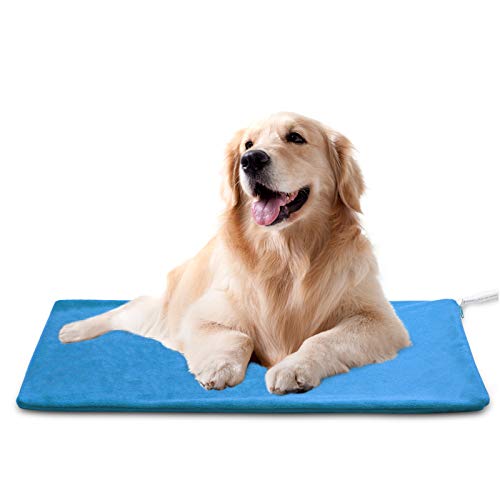
MARUNDA Pet Heating Pad,Cat Dog Electric Pet Heating Pad Indoor Waterproof,Auto Constant Temperature, Chew Resistant Steel Cord (Blue, M-16" x 20")
View View on Amazon
Furhaven ThermaNAP Self-Warming Bed Mat for Large/Medium Dogs & Indoor Cats, Washable & Reflects Body Heat - Quilted Velvet Reflective Blanket Mat - Moss, Large
View View on Amazon
Pet Heating Pad by Snuggle Safe, Pet Microwaveable Heat Pad, Safe Pet Bed Warmer
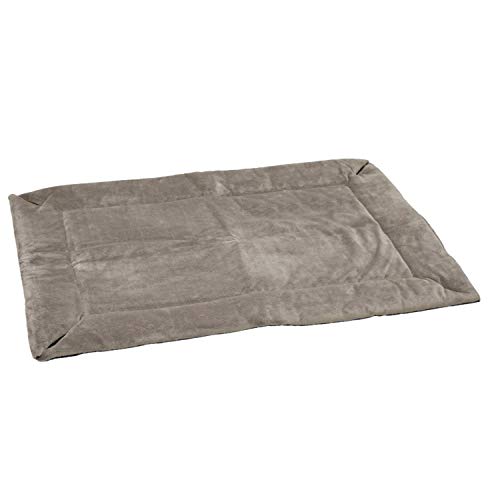
K&H Pet Products Self-Warming Dog Crate Pad, Small Self Heated Dog & Cat Bed Mat, Portable, Machine Washable, No Electric Needed, Adjustable Fit, Non-Slip Bottom - Small 25 X 20in Gray
Why Puppies Need Heat Pads
Puppies are particularly vulnerable to temperature changes during their early weeks. Here is why maintaining proper warmth is critical:
Newborn puppies (0-2 weeks): Cannot generate their own body heat through shivering. They rely entirely on external heat sources, their mother, and littermates for warmth. A body temperature below 94 degrees Fahrenheit can be life-threatening at this stage.
Young puppies (2-4 weeks): Beginning to develop temperature regulation but still need supplemental warmth. Environmental temperatures should remain between 75-80 degrees Fahrenheit.
At-risk puppies: Low birth weight puppies, orphaned puppies, singleton puppies (only pup in litter), and puppies separated from mom for medical reasons face elevated hypothermia risk.

Signs of Hypothermia in Puppies
Recognizing temperature distress early can save your puppy’s life. Watch for these warning signs:
- Cold belly when touched (should feel warm)
- Persistent crying or whimpering
- Lethargy or weakness
- Reluctance to nurse
- Lying on their side instead of chest
- Shallow or labored breathing
- Separation from littermates (healthy puppies pile together for warmth)
Critical warning: Never feed a cold puppy. If you suspect hypothermia, warm the puppy gradually first. Feeding a hypothermic puppy can cause the milk to sit undigested in their stomach, leading to bloating and potentially fatal complications.
Types of Puppy Heat Pads
Understanding the three main types of heating pads helps you choose the right option for your specific situation.
Electric Heating Pads
Electric heat pads plug into an outlet and use heating elements to generate consistent warmth. They offer the most precise temperature control and sustained heat output.
Best for: Whelping boxes, newborn litters, post-surgery recovery, senior dogs with chronic conditions
Advantages:
- Adjustable temperature settings (typically 86-131 degrees Fahrenheit)
- Programmable timers and auto-shutoff features
- Consistent, reliable heat output
- Ideal for extended use
Considerations:
- Require proximity to electrical outlet
- Must have pet-safe features (chew-resistant cord, waterproof design)
- Higher initial cost
Self-Warming Heating Pads
Self-warming pads use specialized insulating materials and reflective thermal layers to capture and radiate your pet’s own body heat back to them. No electricity required.
Best for: Crate training, travel, everyday comfort, dogs who already generate some body heat
Advantages:
- No cords or electricity needed
- Extremely safe with no overheating risk
- Lightweight and portable
- Machine washable
- Cost-effective
Considerations:
- Cannot warm a cold puppy from scratch
- Less effective for newborns who generate minimal body heat
- Warmth depends on pet’s existing body temperature
Microwaveable Heating Pads
These pads contain a special heat-retaining gel that warms in the microwave and slowly releases heat over several hours.
Best for: Supplemental warmth, travel, outdoor use, situations without electrical access
Advantages:
- Wireless and portable
- No ongoing electricity costs
- Can provide 8-10 hours of warmth per heating cycle
- Safe when used properly
Considerations:
- Requires access to microwave
- Temperature cannot be adjusted once heated
- Must wait for complete cooling before reheating
- Size limited by microwave capacity
Best Puppy Heat Pads: Our Top Picks
After researching dozens of products and analyzing thousands of customer reviews, here are our top recommendations for 2026.
Best Electric Heating Pad: MARUNDA Pet Heating Pad
The MARUNDA Pet Heating Pad earns our top electric recommendation for its combination of safety features and reliable performance.
Key Features:
- Auto constant temperature control (95-108 degrees Fahrenheit) via built-in dual thermostat
- IP67 waterproof rating with removable, washable cover
- Dual chew-resistant steel cord protection
- Low power consumption with intelligent temperature control
- Available in three sizes: Small (12” x 16”), Medium (16” x 20”), and Large (16” x 27”)
This pad automatically maintains optimal temperatures for dogs and cats without manual adjustment. The dual thermostat system provides redundant safety protection, and the waterproof construction handles accidents without damage.
Who it is best for: Breeders with whelping boxes, owners of senior dogs with arthritis, and anyone needing reliable, consistent warmth.
Best Self-Warming Pad: Furhaven ThermaNAP
The Furhaven ThermaNAP Self-Warming Mat offers electricity-free warming through innovative thermal technology.
Key Features:
- Mylar thermal core reflects body heat back to your pet
- Quilted velvet sleep surface for comfort
- Completely machine washable
- Lightweight and portable for travel
- Available in multiple sizes and colors
- 90-day manufacturer warranty
The ThermaNAP works like a space blanket, capturing your pet’s natural body heat and reflecting it back. This makes it perfect for dogs who already maintain their body temperature but want extra coziness.
Who it is best for: Crate training, everyday comfort, travel, and households wanting a low-maintenance warming solution. Note that this is not ideal for newborn puppies who cannot generate sufficient body heat.
Best Microwaveable Pad: Snuggle Safe
The Snuggle Safe Pet Heating Pad has been a veterinarian favorite for decades, providing safe, wireless warmth for up to 10 hours.
Key Features:
- Heats in microwave in approximately 5-6 minutes
- Provides warmth for up to 10 hours
- Non-toxic Thermapol gel interior
- Bite-resistant hard plastic shell
- Includes washable fleece cover
- Compact design (approximately 8.5 inches diameter)
This disc-shaped pad slides easily under bedding or into a dog crate to provide gentle, sustained warmth. The hard shell prevents puncturing, and there are no wires for puppies to chew.
Who it is best for: Newborn puppies (placed under bedding, not directly against skin), post-surgery recovery, outdoor dog houses, and situations without electrical access. Popular with breeders and rescue organizations.
Safety note: Always wrap in the provided cover or a towel. The disc can get very hot immediately after microwaving.
Best for Crates: K&H Self-Warming Crate Pad
The K&H Pet Products Self-Warming Crate Pad is specifically designed to fit perfectly in standard dog crates while providing gentle warmth.
Key Features:
- Self-warming technology reflects body heat
- Corner slits for perfect crate fit
- Non-slip bottom prevents bunching
- Soft microfleece surface
- Machine washable
- Available in multiple sizes (Extra-Small to Extra-Large)
- No electricity needed
K&H Pet Products has over 20 years of experience in pet heating solutions, and this pad reflects that expertise. The corner cutouts allow it to lay flat in any crate configuration.
Who it is best for: Crate training puppies, dogs who sleep in kennels, and travel situations. Works well combined with regular bedding for added insulation.
Safety Features to Look For
When choosing any heating pad for your puppy, prioritize these safety features:
Essential Safety Features
Chew-resistant cord: Look for cords wrapped in stainless steel or reinforced protective materials. Puppies explore with their mouths, and damaged cords create serious electrical hazards.
Auto shut-off: Quality electric pads include timers (typically 1-24 hour options) and automatic power-off features to prevent overheating and reduce fire risk.
Temperature regulation: Built-in thermostats prevent the pad from exceeding safe temperatures. Look for pads that max out around 102-108 degrees Fahrenheit for pet use.
Waterproof construction: Accidents happen. A waterproof pad protects against electrical hazards and extends product lifespan.
UL or MET certification: These certifications indicate the product has been tested for electrical safety standards.

Features to Avoid
- Human heating pads (get too hot, lack pet-safe features)
- Pads without chew-resistant cords
- Products without auto shut-off
- Extremely cheap pads without safety certifications
How to Use a Puppy Heat Pad Safely
Proper setup and monitoring ensures your puppy benefits from supplemental heat without risk.
Whelping Box Setup
For newborn litters, position the heating pad to cover approximately half of the whelping box floor. This creates a temperature gradient allowing puppies to move toward or away from the heat source as needed.
Ideal configuration:
- Place heating pad under bedding (not directly against puppies)
- Set temperature to achieve 85-90 degrees Fahrenheit in the warm zone
- Ensure the cool zone remains accessible
- Monitor puppies for behavioral cues (spread out = comfortable; piled together crying = too cold; spread far apart panting = too hot)
General Safety Guidelines
Never use human heating pads. They lack pet-safe features and can cause serious burns. Dog skin is more sensitive than human skin, and puppies cannot move away from excessive heat.
Create escape routes. Your puppy should always be able to move away from the heat source. Never place a heating pad in an enclosed space without a cooler area.
Monitor temperature regularly. Use a thermometer to verify the heated area stays within safe ranges. Temperatures above 108 degrees Fahrenheit can burn your pet.
Supervise initially. When introducing any new heating pad, monitor your puppy’s behavior closely for the first several uses.
Check for wear. Inspect cords, covers, and heating elements regularly. Replace damaged products immediately.
Unplug when away. Unless using a pad with reliable auto-shutoff, unplug electric heating pads when you cannot supervise.

Benefits Beyond Newborn Care
While puppy heat pads are essential for newborn litters, they provide benefits throughout your dog’s life.
Senior Dogs and Arthritis
Heat therapy can significantly improve quality of life for dogs with arthritis and joint pain. According to veterinary research, applying appropriate heat:
- Increases blood circulation to affected joints
- Reduces muscle stiffness and spasms
- Improves range of motion
- Provides natural pain relief by stimulating sensory receptors
For arthritic dogs, veterinarians often recommend 15-20 minute heat sessions on affected joints, repeated every 6-8 hours as needed. A quality heating pad provides consistent, controlled warmth that is safer than hot water bottles or human heating pads.
Post-Surgery Recovery
Dogs recovering from surgery often have reduced mobility and may struggle to maintain body temperature. A heating pad in their recovery area provides comfort and supports healing. Always consult your veterinarian about appropriate heat therapy following any procedure.
Pregnant and Nursing Dogs
Pregnant and nursing mothers benefit from supplemental warmth, particularly in cooler environments. A warm, comfortable space supports milk production and helps mom maintain energy for caring for her litter.

Choosing the Right Size
Selecting the appropriate size ensures your puppy receives adequate warmth without overheating.
General sizing guideline: Choose a pad that is 4-5 inches larger than your dog’s body when lying down. This allows them to stretch out comfortably while staying on the heated surface.
| Dog Size | Recommended Pad Size |
|---|---|
| Small puppies | 12” x 16” (Small) |
| Medium puppies/dogs | 16” x 20” (Medium) |
| Large puppies/dogs | 16” x 27” or larger (Large) |
| Whelping boxes | Cover 1/2 to 2/3 of floor area |
For whelping boxes, consider using two smaller pads rather than one large pad. This provides better coverage while maintaining temperature zones.
Maintenance and Care
Proper maintenance extends product life and ensures safe operation.
Cleaning Electric Heating Pads
- Unplug the heating pad completely
- Remove the washable cover
- Machine wash cover on gentle cycle with mild detergent
- Air dry or tumble dry on low heat
- Wipe the heating element with a damp cloth if needed
- Ensure everything is completely dry before reassembling and plugging in
Cleaning Self-Warming and Microwaveable Pads
Most self-warming pads are fully machine washable. Follow manufacturer instructions for specific care guidelines. For Snuggle Safe discs, wipe with a damp cloth and machine wash the fleece cover separately.
When to Replace
Replace your heating pad when you notice:
- Frayed or damaged cords
- Inconsistent heating
- Visible damage to the heating element
- Persistent odors that do not wash out
- The pad no longer maintains temperature
Quality heating pads typically last 2-4 years with proper care.
Frequently Asked Questions
Can I leave a heating pad on all night? Only use heating pads with auto-shutoff features overnight. Many quality pads include timers that automatically turn off after a set period. For newborn litters requiring constant warmth, use products specifically designed for extended operation and monitor temperature regularly.
What temperature should a puppy heating pad be set to? For newborn puppies (first week), the heated area should reach 85-90 degrees Fahrenheit. This gradually decreases to 72 degrees by week four. Most pet-specific heating pads automatically regulate to safe temperatures between 95-108 degrees Fahrenheit.
Are heating pads safe for puppies? Pet-specific heating pads with proper safety features (chew-resistant cords, auto-shutoff, temperature regulation) are safe when used correctly. Never use human heating pads, which can overheat and cause burns.
How do I know if my puppy is too hot? Signs of overheating include panting, moving away from the heat source, restlessness, and spread-out body positioning. Always provide an escape route so puppies can move to a cooler area.
Can I use a heating pad for a dog with arthritis? Yes, heat therapy benefits dogs with arthritis by improving circulation and reducing stiffness. Consult your veterinarian for specific recommendations. Heat sessions of 15-20 minutes on affected joints can provide significant relief.

Final Thoughts
A quality puppy heat pad is an essential investment for breeders, rescue organizations, and pet owners caring for vulnerable animals. Whether you are supporting newborn puppies through their critical first weeks, providing comfort to a senior dog with arthritis, or simply keeping your pup cozy during winter, the right heating solution makes a meaningful difference.
Prioritize safety features when selecting a heating pad. Look for chew-resistant cords, auto-shutoff capabilities, and appropriate temperature controls. Pet-specific products from reputable manufacturers provide the protection your puppy needs.
For newborn litters, we recommend the MARUNDA Pet Heating Pad for reliable electric warmth or the Snuggle Safe for portable, wire-free heating. For everyday comfort and crate use, the K&H Self-Warming Crate Pad offers maintenance-free warmth without electricity.
Combined with proper care, appropriate nutrition like quality puppy milk replacer for orphaned puppies, and a safe environment like a puppy playpen, a heating pad helps ensure your puppies thrive from their very first days.
Disclaimer: This article contains affiliate links. We may earn a small commission if you purchase through these links, at no additional cost to you. We only recommend products we believe provide genuine value. Always consult your veterinarian for specific medical advice regarding your pet’s health needs.
Personalized Training
Need Expert Dog Training Help?
Get matched with certified trainers in your area for personalized solutions.