Bringing home a new puppy is one of life’s most exciting moments, but proper preparation makes all the difference between a smooth transition and a stressful first week. Having the right supplies ready before your furry friend arrives ensures they feel safe, comfortable, and welcomed from day one.
This comprehensive checklist covers everything you need to prepare for your new puppy, from essential feeding supplies and safety equipment to grooming tools and health care basics. Whether you’re a first-time puppy parent or adding another pup to your family, use this guide to make sure nothing is overlooked.
For more guidance on raising a happy, healthy puppy, explore our complete puppy training guide which covers everything from basic commands to socialization.

Nutrisource Grain Free ( Turkey ) Large Puppy 5Lb
View View on Amazon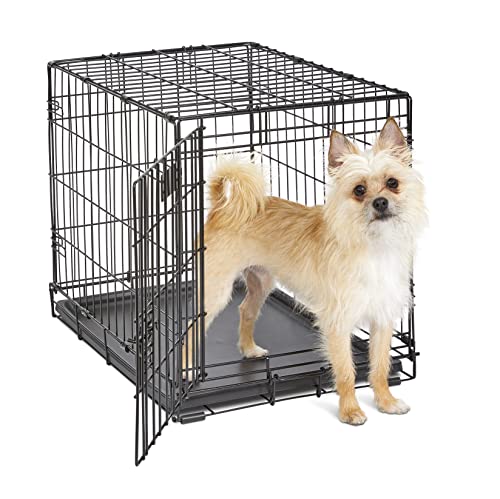
MidWest Homes for Pets Newly Enhanced Single & Double Door iCrate Dog Crate, Includes Leak-Proof Pan, Floor Protecting Feet, Divider Panel & New Patented Features
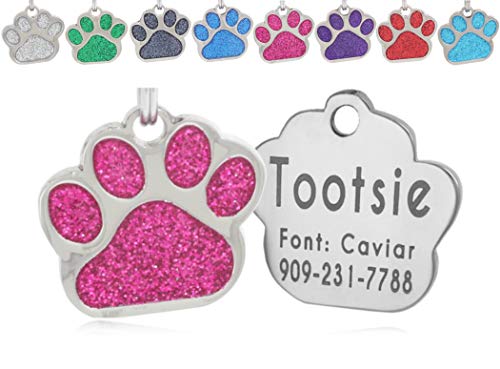
io tags Pet ID Tags, Personalized Dog and Cat Tags, Custom Engraved, Easy to Read, Cute Glitter Paw Tag (Pink)

PET CARE Sciences 16 fl oz Tearless Puppy Shampoo and Conditioner - Anti Itch Dog Shampoo Sensitive Skin - Coconut Oil Oatmeal Pet Shampoo for Puppies, Made in The USA
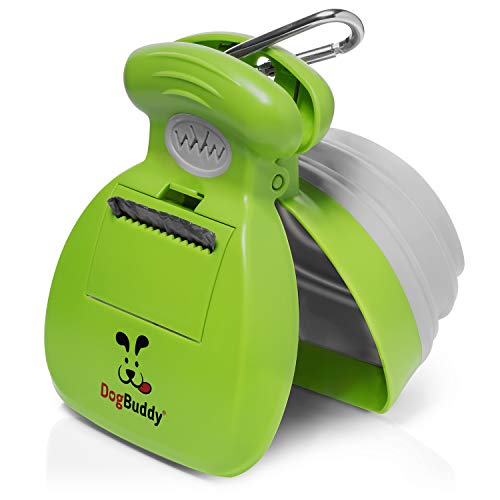
DogBuddy Pooper Scooper, Portable Dog Pooper Scooper, Poop Scooper for Small and Large Dogs, Pooper Scooper With Bag Attachment, Leash Clip and Dog Waste Bags Included (Medium, Kiwi)
Essential Feeding Supplies
Getting nutrition right from the start sets your puppy up for healthy growth and development. Puppies have different nutritional needs than adult dogs, requiring higher protein levels and specific nutrients for proper development.
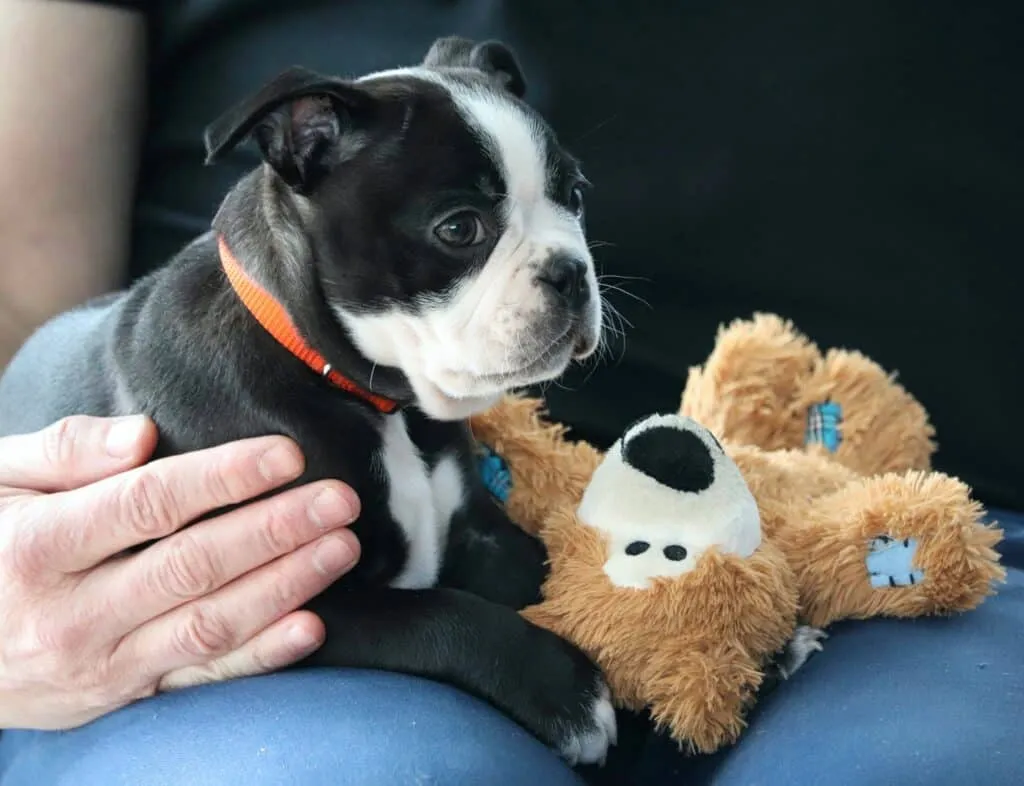
Puppy Food and Treats
The most critical item on your checklist is high-quality puppy food . Look for food labeled as meeting AAFCO (Association of American Feed Control Officials) standards for “Growth” or “All Life Stages,” which ensures it contains the proper balance of protein (minimum 22% for puppies), fat, vitamins, and minerals your growing pup needs.
When possible, ask your breeder or shelter what food your puppy has been eating and start with that same brand to prevent digestive upset. If you want to switch foods later, transition gradually over 7-10 days by mixing increasing amounts of the new food with the old.
You will also want to stock up on puppy training treats . Training begins the moment your puppy comes home, and small, soft treats are essential for positive reinforcement. Remember the 90/10 rule: 90% of daily calories should come from their complete puppy food, with only 10% from treats. For more treat recommendations, check out our guide to the best puppy training treats.
Food and Water Bowls
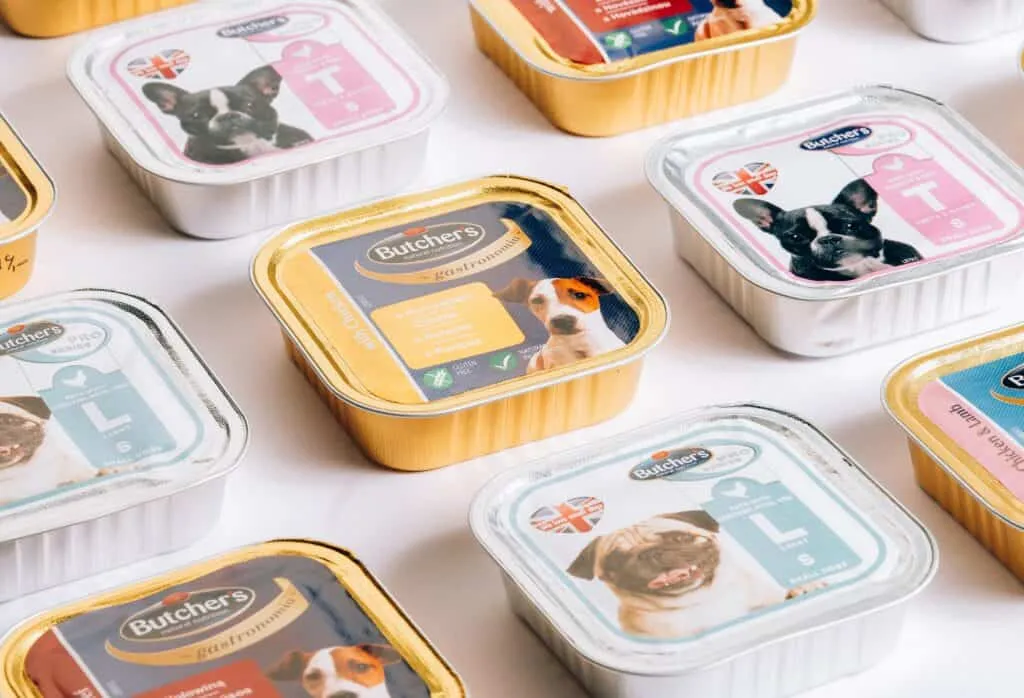
Your puppy needs dedicated food and water bowls. For puppies, choose shallow bowls with non-slip bases to prevent tipping. Stainless steel bowls are the most hygienic and durable option, though ceramic bowls work well too. Avoid plastic bowls, which can harbor bacteria in scratches and may cause chin acne in some dogs.
Place your puppy’s bowls in the same location every day. Consistency helps establish a feeding routine and makes potty training more predictable since most puppies need to eliminate shortly after eating. Learn more about what age puppies should be toilet trained.
Dog Food Container
Keep your puppy’s food fresh with an airtight dog food storage container. Proper storage prevents kibble from going stale and keeps pests out. A large container allows you to store the food in its original packaging, preserving important information about ingredients and feeding guidelines.
Safety and Containment
Puppies are naturally curious and can get into trouble quickly. Setting up safe spaces protects your pup and gives you peace of mind when you cannot supervise them directly.
Puppy or Dog Crate
A puppy crate is one of the most valuable tools for raising a well-adjusted dog. According to the American Kennel Club and most veterinary professionals, crate training helps with housetraining, prevents destructive behavior, and provides your puppy with a safe den-like space of their own.
Choose a crate large enough for your puppy to stand, turn around, and lie down comfortably. Many crates come with dividers so you can adjust the space as your puppy grows. For a detailed guide on proper technique, see our article on crate training a puppy.
Important crate guidelines:
- Never use the crate as punishment
- Puppies under 6 months should not be crated for more than 3-4 hours at a time
- The general rule is one hour per month of age (a 3-month-old puppy can be crated for about 3 hours maximum)
- Always provide water access and adequate exercise outside the crate
Puppy Gates and Playpen
Baby gates and a puppy playpen help you create safe boundaries in your home. Gates allow you to block off areas with hazards like stairs, while a playpen gives your puppy room to move around safely when you cannot watch them constantly. These tools are essential for puppy-proofing your home during the early months.
Identification and Safety
Lost pets are more common than most owners realize. According to the American Humane Association, approximately 10 million dogs and cats are lost or stolen in the United States annually, and about one in three pets will go missing at some point in their lives. Proper identification dramatically increases the chances of reunion.
ID Tags
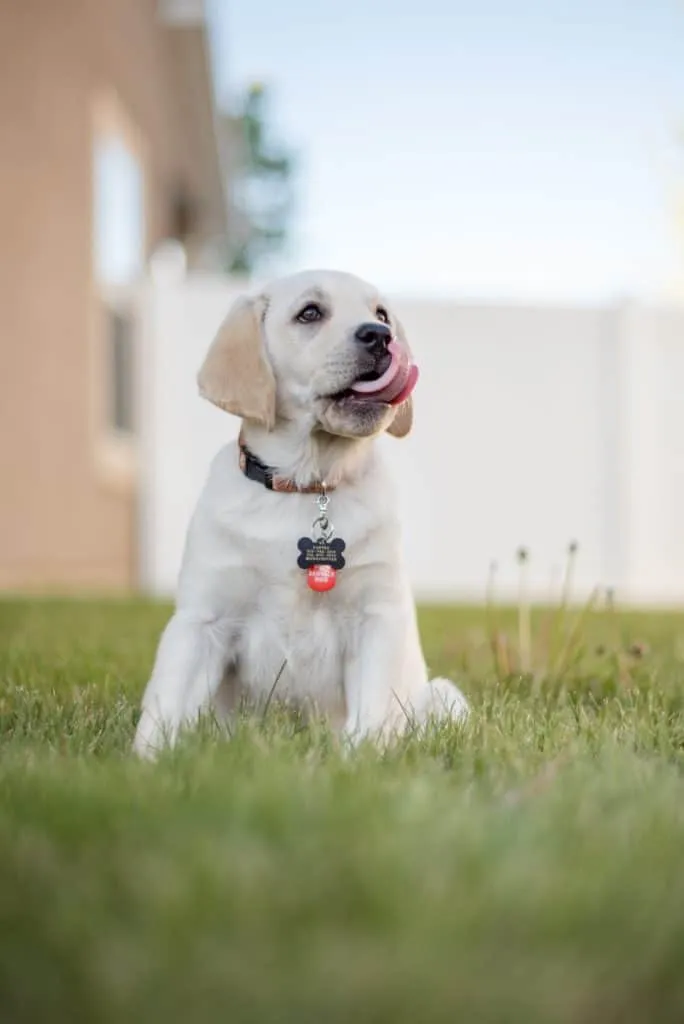
Get your puppy a personalized ID tag as soon as you have chosen their name. Include your phone number at minimum, and consider adding your address or a secondary contact number. ID tags provide instant identification that anyone can read without special equipment.
Microchipping
While ID tags can fall off or be removed, a microchip provides permanent identification. Research shows that microchipped dogs are returned to their owners 52.2% of the time, compared to just 21.9% for dogs without microchips. Puppies can be microchipped as early as 8 weeks old, and many shelters and breeders microchip puppies before adoption.
Ask your veterinarian about microchipping at your first appointment, and remember to register the chip and keep your contact information updated in the database. The procedure costs between $25-50 and could be the reason you are reunited with a lost pet.
Walking and Training Gear
Regular walks and training sessions are essential for your puppy’s physical health and mental development. Having the right equipment makes these activities safer and more enjoyable for both of you.
Collar, Leash, and Harness
Your puppy will need a properly fitted collar for holding ID tags and a leash for walks. Adjustable collars are ideal for growing puppies since you can resize them as your pup grows.
For walks, consider both a standard leash (4-6 feet is best for training) and a harness . Harnesses distribute pressure across your puppy’s body rather than concentrating it on their neck, which is especially important for small breeds and puppies still learning leash manners. Check out our recommendations for the best dog harnesses.
For comprehensive guidance on teaching your puppy to walk nicely on a leash, read our leash training guide.
Toys and Enrichment
Puppies play hard and need appropriate outlets for their energy. The right toys support mental development, satisfy teething needs, and prevent boredom-related destructive behavior.
Variety of Puppy Toys
Puppies benefit from having several types of toys available:
- Teething toys ( like KONG Puppy toys ) - Soothe sore gums and satisfy the urge to chew
- Plush toys ( soft toys ) - Provide comfort, especially for puppies missing their littermates
- Rope toys ( rope toys ) - Great for interactive play and cleaning teeth
- Rubber toys ( rubber toys ) - Durable options for determined chewers
- Interactive toys ( puzzle toys ) - Provide mental stimulation
- Balls ( toy balls ) - Perfect for fetch and independent play
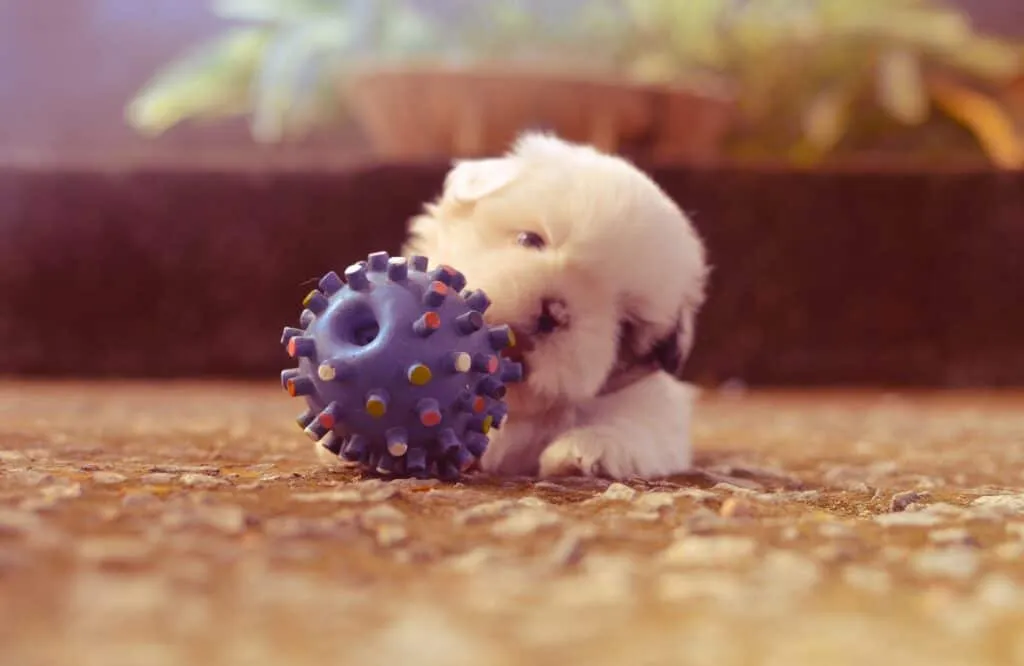
Rotate toys regularly to keep your puppy interested, and always supervise play with new toys until you know how your puppy interacts with them. For more recommendations, see our guide to the best chew toys for puppies.
Sleep and Comfort
Puppies need 18-20 hours of sleep daily for proper development. Creating a comfortable sleeping space helps your puppy rest well and establishes good sleep habits from the start.
Dog Bed
Provide your puppy with their own washable dog bed for sleeping and resting. Look for a bed that is machine washable since accidents will happen during the housetraining phase.
If your puppy tends to chew, consider a chew-resistant bed to save yourself from repeated replacements. For a durable option, check out our Kong Dog Bed review.
Many puppy owners also add a crate pad or blanket to make the crate more comfortable. Some puppies find comfort in beds with raised edges that mimic the feeling of snuggling with littermates.
Grooming Supplies
Regular grooming keeps your puppy clean, healthy, and comfortable while helping them become accustomed to being handled, which makes veterinary visits easier throughout their life.
Puppy Shampoo
Never use human shampoo on your puppy. Human products can irritate their delicate skin and disrupt the natural pH balance. Choose a gentle, puppy-specific shampoo formulated for sensitive skin. Look for products that are tearless, hypoallergenic, and free from harsh chemicals.
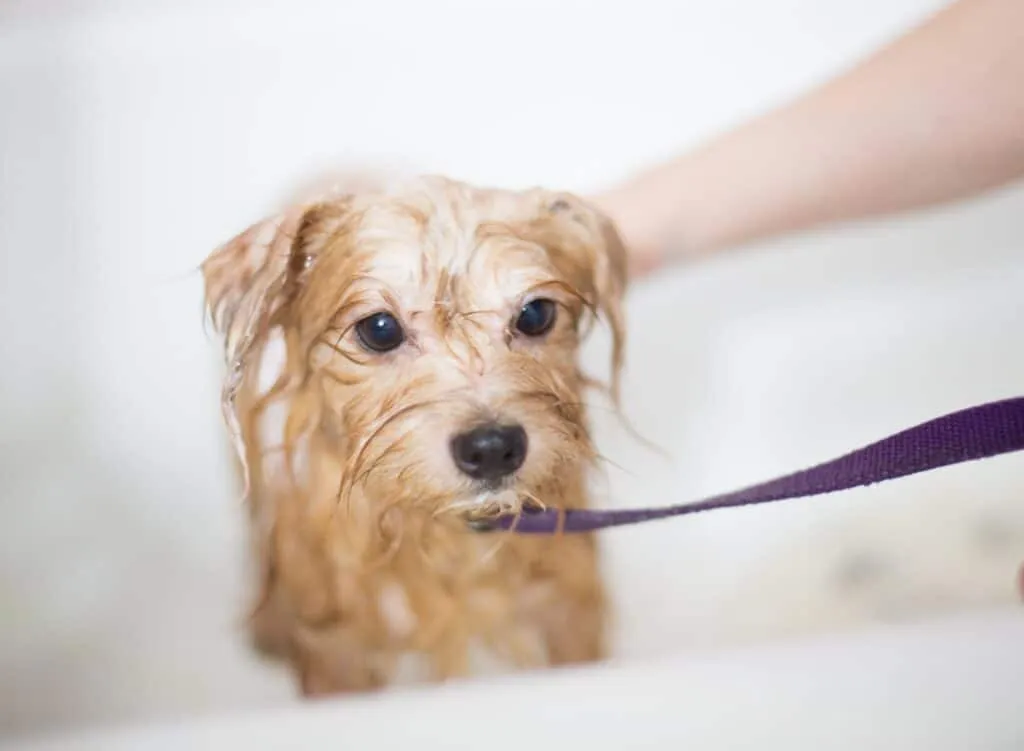
For more options, browse our guide to the best puppy shampoos.
Grooming Tools
Start building your grooming toolkit with these essentials:
- Brush and comb - Choose based on your puppy’s coat type. Long-haired breeds need different tools than short-haired breeds
- Nail clippers or grinder - Regular nail maintenance prevents overgrown nails that can cause discomfort and affect your puppy’s gait. See our recommendations for the best dog nail grinders
- Basic grooming kit - Many starter kits include everything you need

Learning how to trim puppy nails safely is an important skill for every puppy owner.
Dental Care
Start dental care early to establish good habits and prevent dental disease. Puppies can begin having their teeth brushed as soon as you bring them home using a puppy-safe toothbrush and dog toothpaste (never human toothpaste, which contains ingredients toxic to dogs).
Potty Training Supplies
Housetraining is one of the first and most important training tasks you will tackle with your new puppy. Having the right supplies makes the process more manageable.
Puppy Pads and Outdoor Supplies
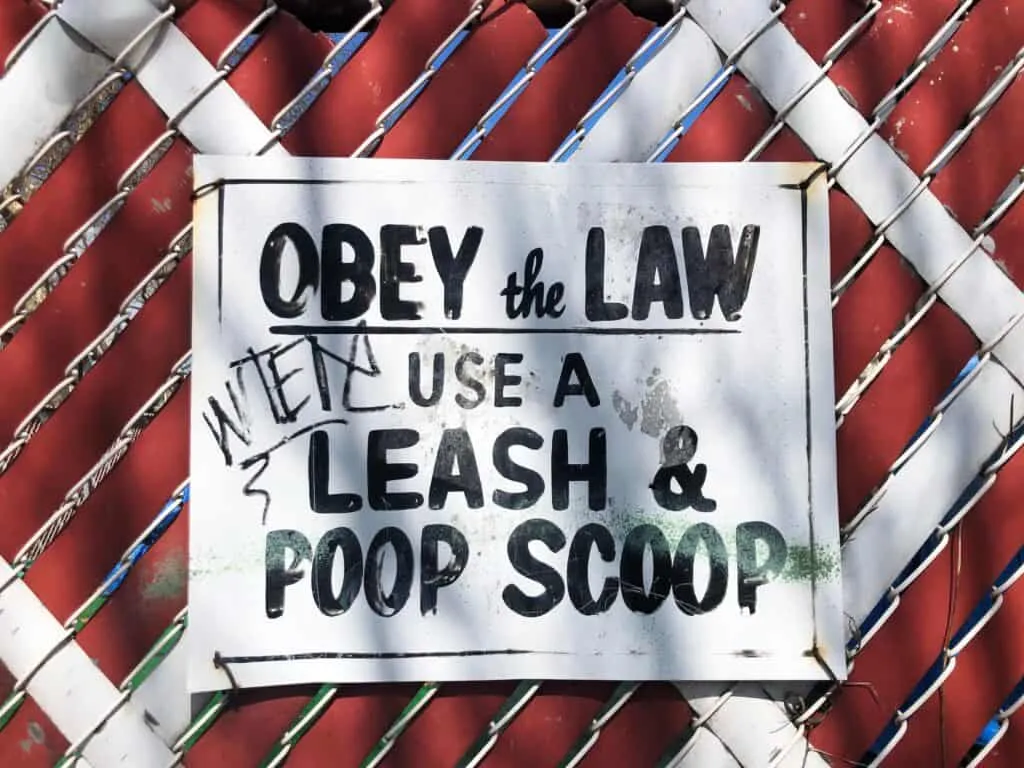
Poop bags are essential for cleaning up after your puppy on walks. You will also want:
- Puppy pads - Useful for the early weeks, especially if your puppy is not fully vaccinated yet. However, transition to outdoor potty training as soon as safely possible to avoid confusion about appropriate elimination spots
- Puppy pad holder - Keeps pads in place and prevents chewing
- Enzymatic cleaner - Regular cleaners only mask odors, while enzymatic cleaners break down odor-causing compounds completely. This is crucial because dogs will return to spots that smell like previous accidents
Health Care Essentials
Your puppy’s health should be a top priority from day one. Establishing a relationship with a veterinarian and staying on top of preventive care protects your puppy from serious illness.
Schedule Your First Vet Visit
Book your first veterinary appointment within the first week of bringing your puppy home. Your vet will:
- Perform a thorough health examination
- Review and continue the vaccination schedule
- Discuss parasite prevention (fleas, ticks, heartworm, intestinal worms)
- Recommend a deworming schedule
- Discuss spaying/neutering timing
- Answer your questions about nutrition and care
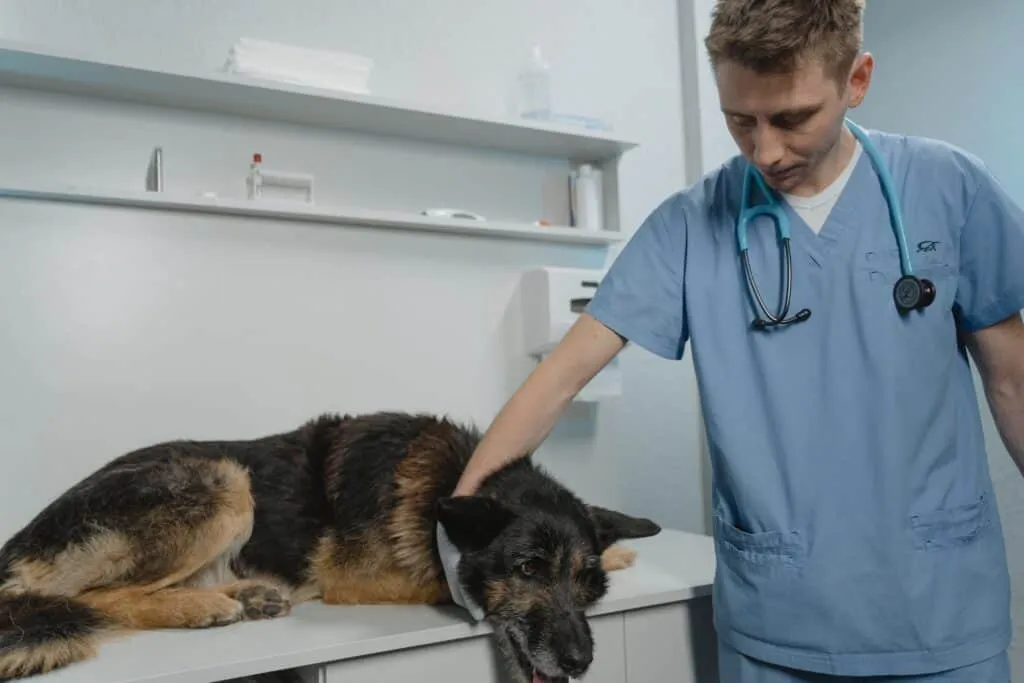
Puppies typically need veterinary visits every 3-4 weeks until their vaccination series is complete around 16-18 weeks of age. For more information on puppy vaccinations and schedules, see our dog vaccination guide.
Pet Insurance
Consider pet insurance while your puppy is young and healthy. Premiums are typically lower for puppies, and coverage begins before any pre-existing conditions develop. Pet insurance can provide peace of mind and help you afford unexpected veterinary care.
Training Resources
Investing in your puppy’s training pays dividends for their entire life. Well-trained dogs are happier, safer, and more enjoyable companions.
Training Books and Guides
Good puppy training books and dog training books provide valuable guidance on everything from basic obedience to addressing common behavior challenges. Look for books that emphasize positive reinforcement methods, which are more effective and create a stronger bond between you and your dog.
Professional Training
While books and online resources are helpful, working with a professional trainer can accelerate your puppy’s progress and help you avoid common mistakes. Puppy socialization classes, which accept puppies as young as 8-10 weeks (after their first vaccinations), provide safe opportunities for your puppy to interact with other dogs while learning basic manners.
If you need help finding qualified trainers in your area, our trainer directory can connect you with certified professionals who use modern, science-based methods.
Your New Puppy Checklist Summary
Here is a quick-reference checklist of everything covered in this guide:
Feeding Supplies:
- AAFCO-approved puppy food
- Training treats
- Food and water bowls
- Food storage container
Safety and Containment:
- Appropriately sized crate
- Puppy gates/playpen
- Crate pad or bedding
Identification:
- Personalized ID tag
- Microchip (schedule with vet)
Walking and Training:
- Adjustable collar
- Leash (4-6 feet)
- Harness
- Training treats
Toys:
- Teething toys
- Chew toys
- Interactive/puzzle toys
- Comfort toys
Sleep:
- Washable dog bed
- Crate bedding
Grooming:
- Puppy shampoo
- Brush/comb for coat type
- Nail clippers or grinder
- Puppy toothbrush and toothpaste
Potty Training:
- Poop bags
- Puppy pads (temporary)
- Enzymatic cleaner
Health Care:
- First vet appointment scheduled
- Pet insurance policy
What Comes Next
This checklist prepares you for your puppy’s arrival, but the journey is just beginning. Your puppy’s needs will evolve as they grow, and building a strong foundation now makes everything easier later.
Focus on socialization during the critical window between 8-16 weeks, when puppies are most receptive to new experiences. Learn about puppy feeding schedules to support healthy growth. And remember that patience, consistency, and positive reinforcement are the keys to raising a confident, well-behaved dog.
Welcome to the wonderful world of puppy parenthood. The late-night potty breaks, the chewed shoes, and the training challenges are all worth it for the unconditional love and joy your new companion will bring to your life.
Frequently Asked Questions
What should I buy before getting a puppy?
Before bringing a puppy home, purchase essential supplies including: AAFCO-approved puppy food and treats, food and water bowls, an appropriately sized crate, a collar with ID tag, leash and/or harness, variety of toys (teething, chew, and comfort toys), washable dog bed, puppy-safe shampoo, grooming tools, and potty training supplies like poop bags and enzymatic cleaner. Also schedule your first veterinary appointment and consider setting up pet insurance.
How much does it cost to prepare for a new puppy?
Initial puppy supplies typically cost between $200-500 depending on the quality of items purchased and your puppy's size. Essential items include food ($30-60), crate ($40-150), bowls ($15-30), collar and leash ($20-50), toys ($30-60), bed ($25-75), grooming supplies ($30-50), and initial veterinary visit and vaccinations ($100-300). Larger breeds generally require more expensive equipment due to size requirements.
When should puppies be microchipped?
Puppies can be microchipped as early as 8 weeks old, and many shelters and breeders microchip puppies before adoption. The procedure is quick and similar to a routine vaccination. Microchipped dogs are returned to their owners 52.2% of the time compared to just 21.9% for dogs without microchips, making this one of the most important safety measures you can take. Ask your veterinarian about microchipping at your first appointment.
Do I really need to crate train my puppy?
While not absolutely required, crate training is recommended by veterinarians and professional trainers because it aids housetraining, prevents destructive behavior when unsupervised, and provides your puppy with a safe den-like space. Dogs are naturally den animals and often find properly introduced crates comforting. The key is positive introduction, never using the crate as punishment, and limiting crate time appropriately for your puppy's age (generally one hour per month of age, maximum 3-4 hours for puppies under 6 months).
What kind of food should I get for a new puppy?
Choose puppy food that meets AAFCO nutritional standards for 'Growth' or 'All Life Stages.' Puppy food has higher protein content (minimum 22%) and specific nutrients needed for development. If possible, start with the same food your puppy was eating at the breeder or shelter to prevent digestive upset. Large breed puppies (expected adult weight over 70 lbs) should eat food specifically formulated for large breed puppies to ensure proper bone and joint development.
Personalized Training
Need Expert Dog Training Help?
Get matched with certified trainers in your area for personalized solutions.